


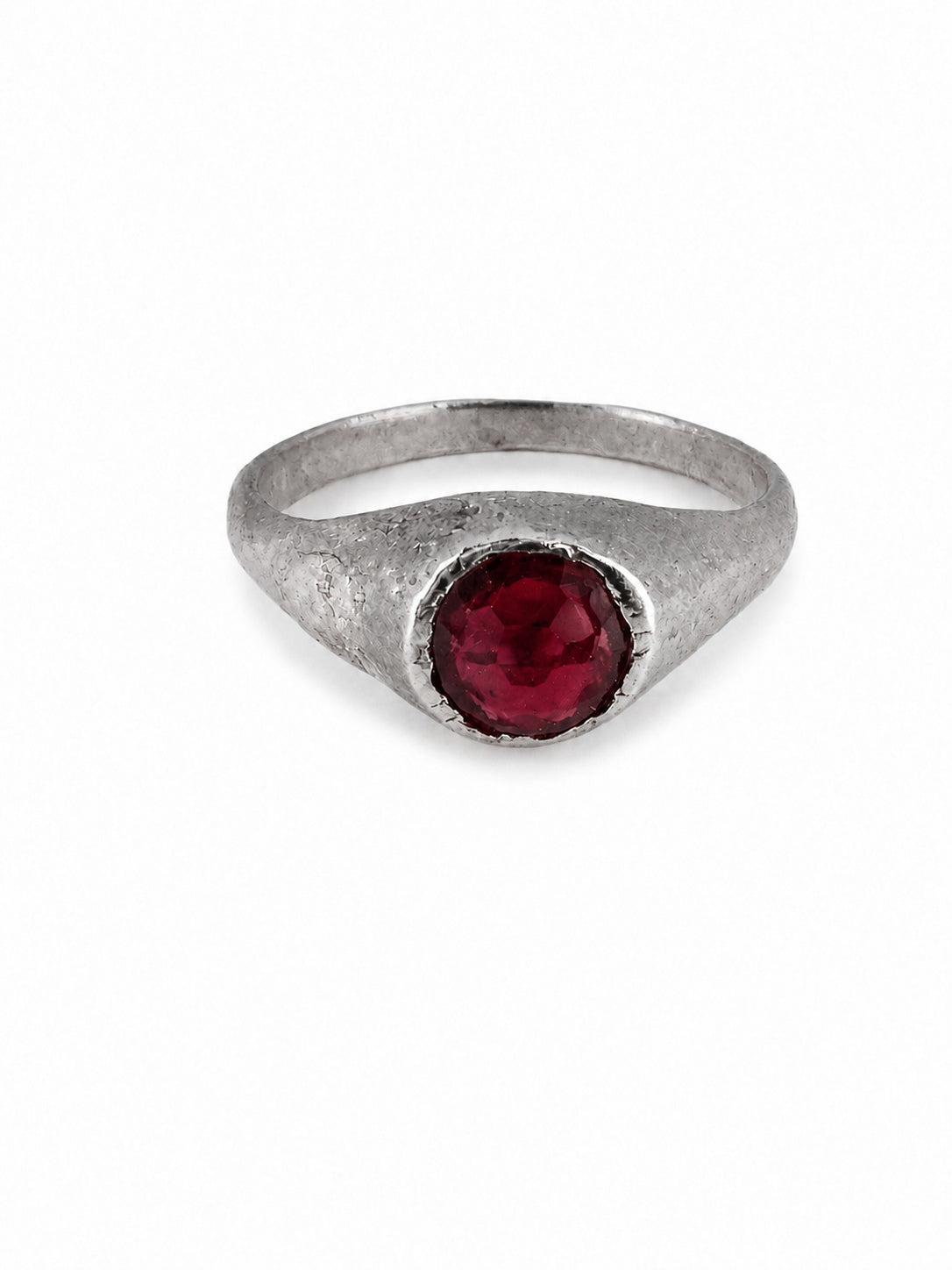
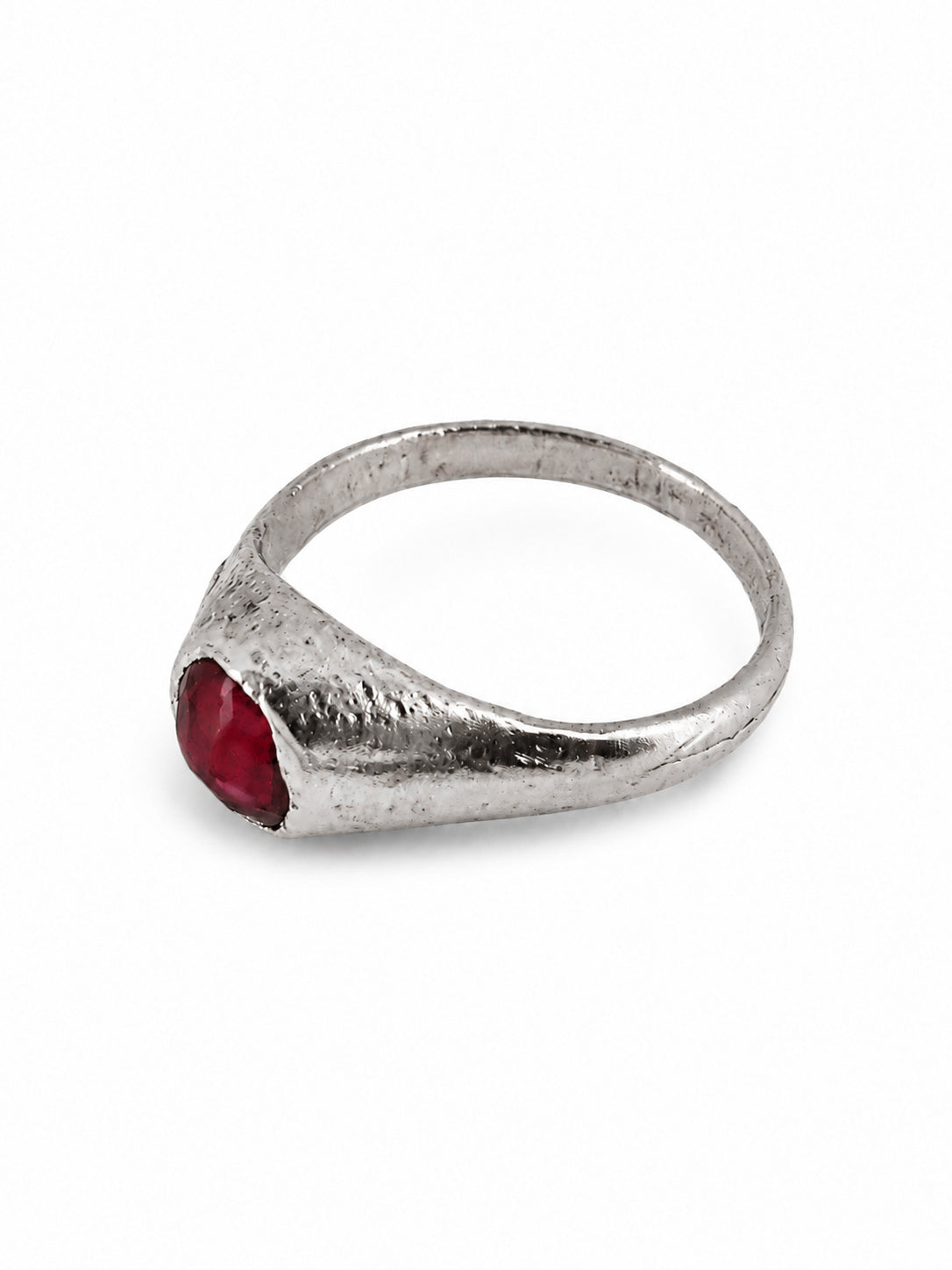
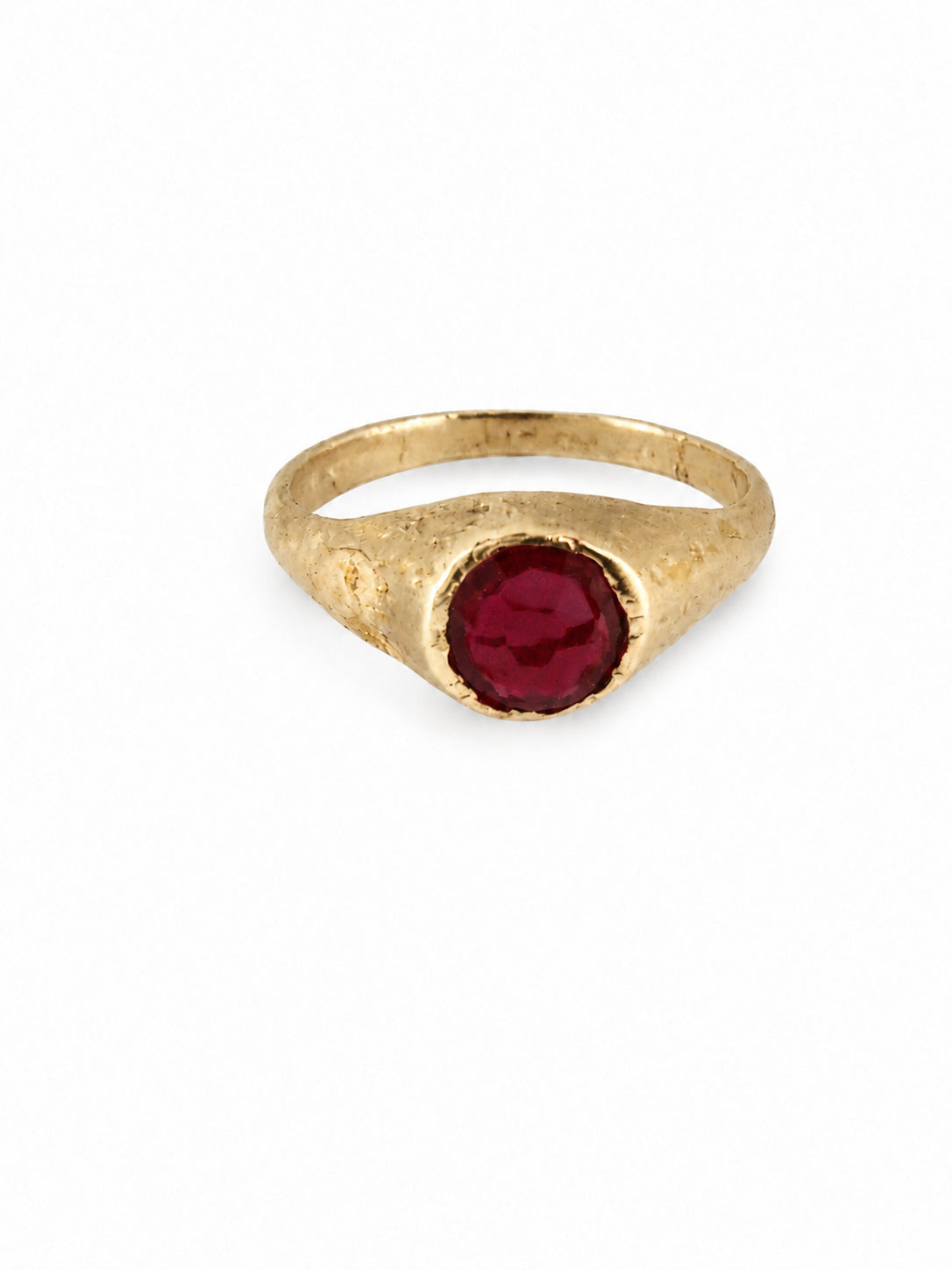
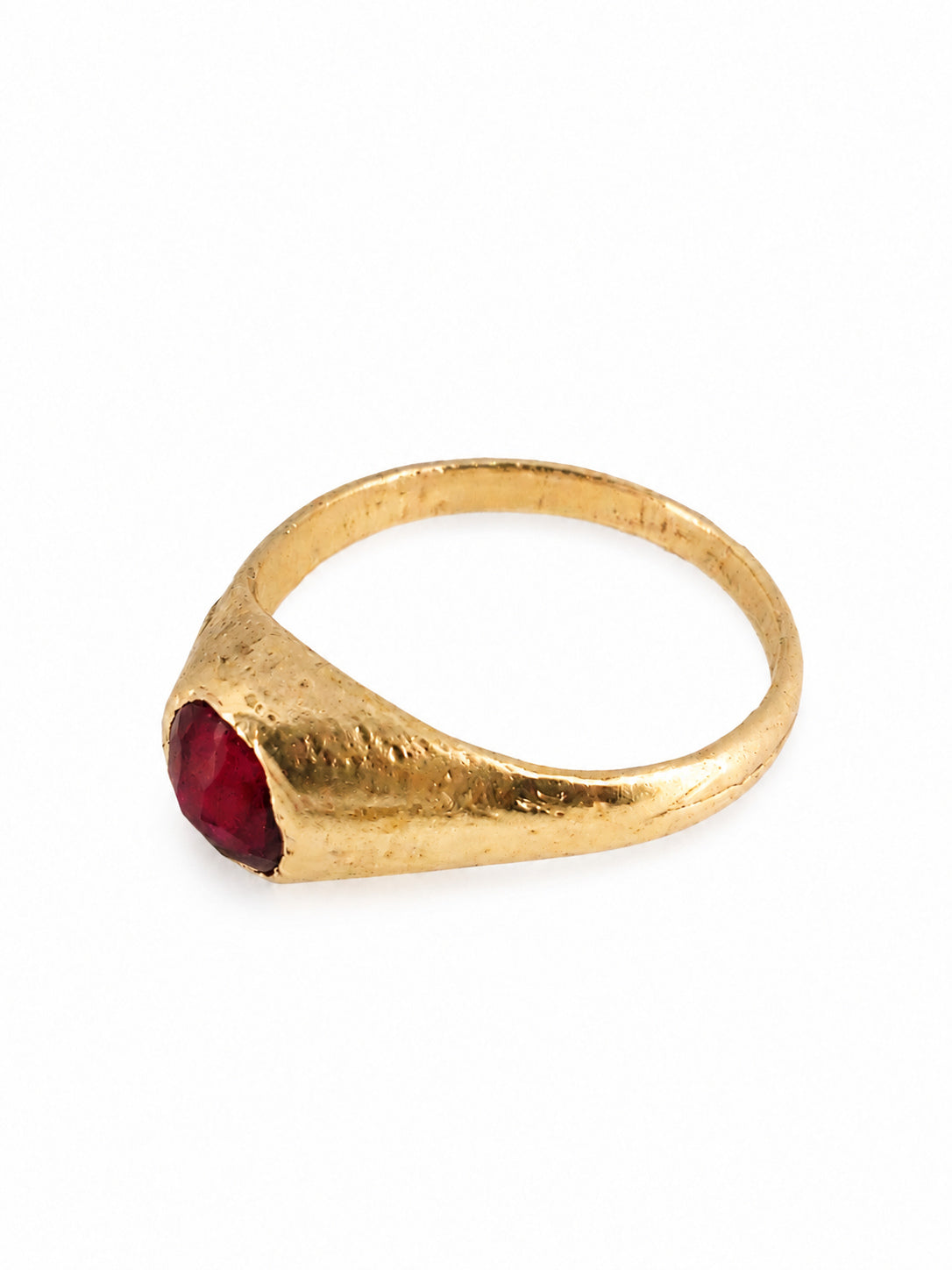
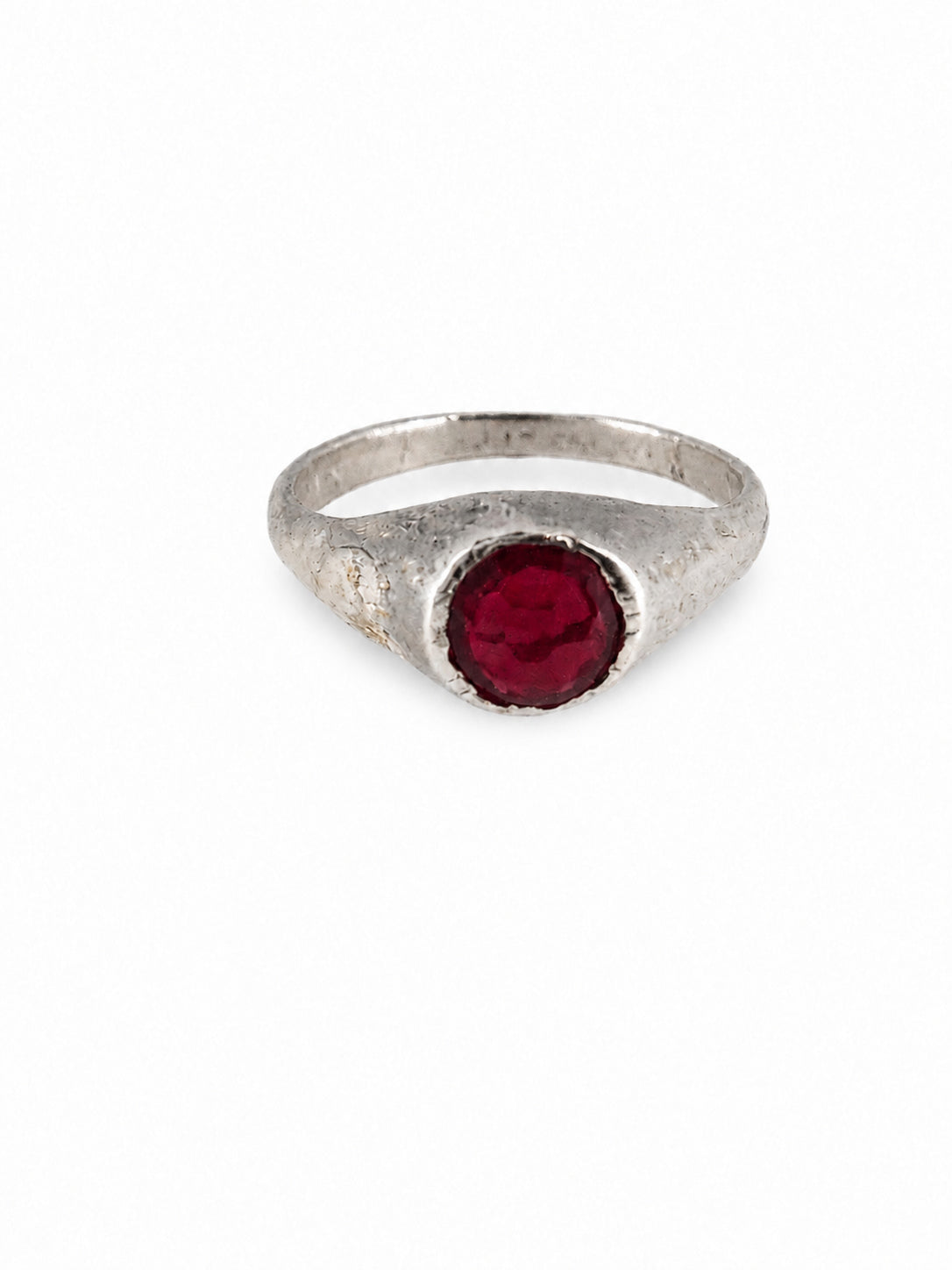
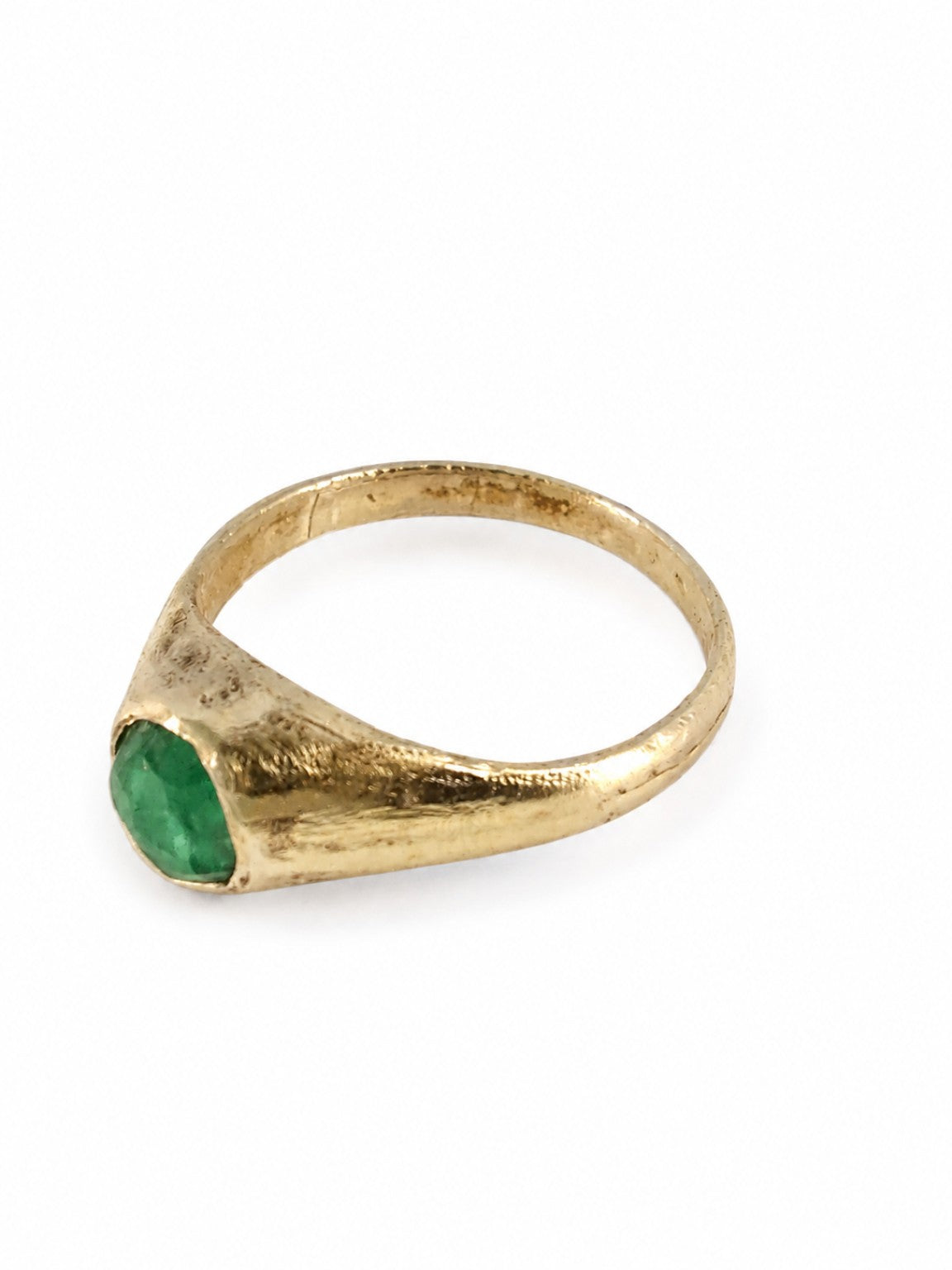
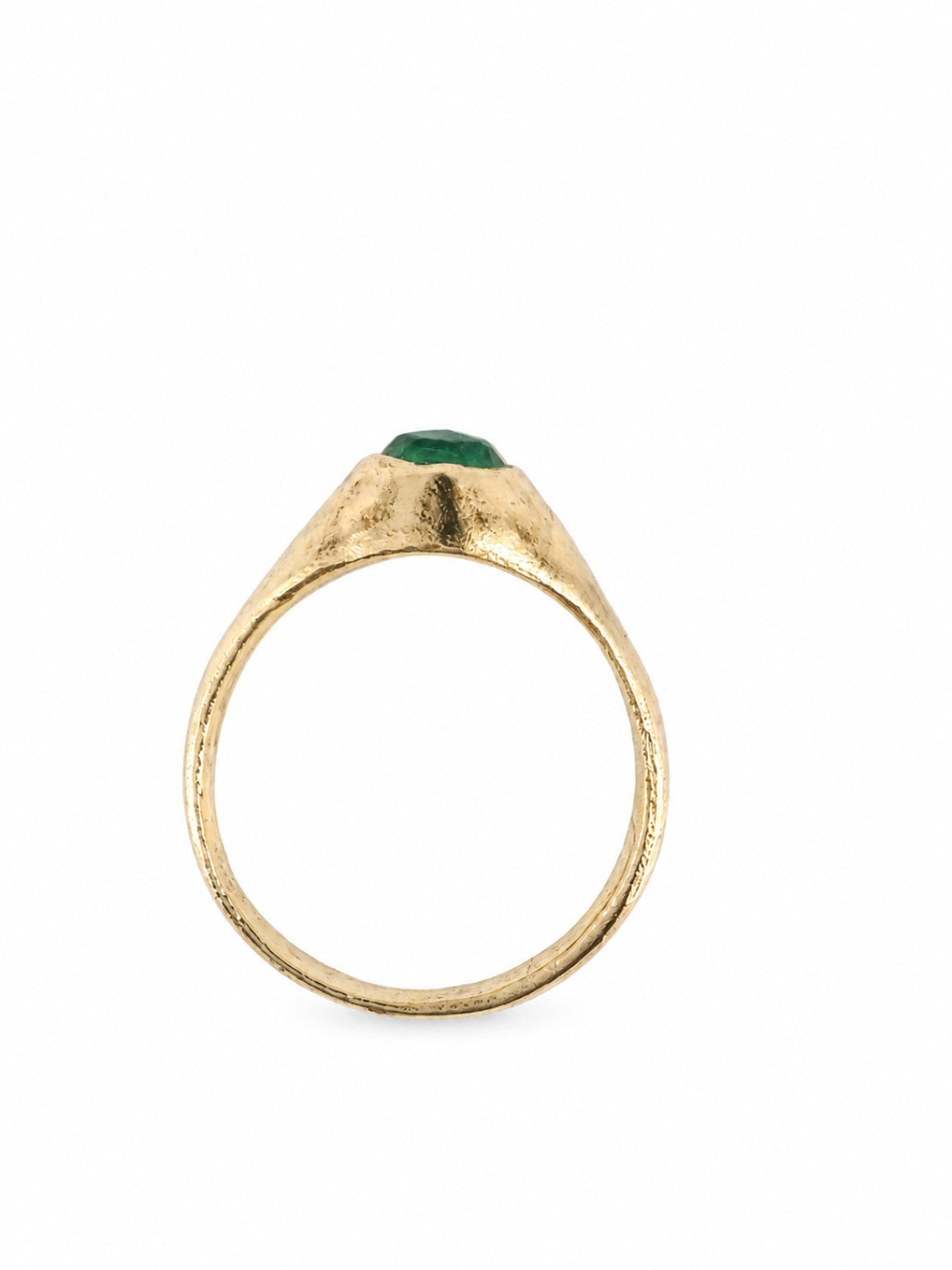
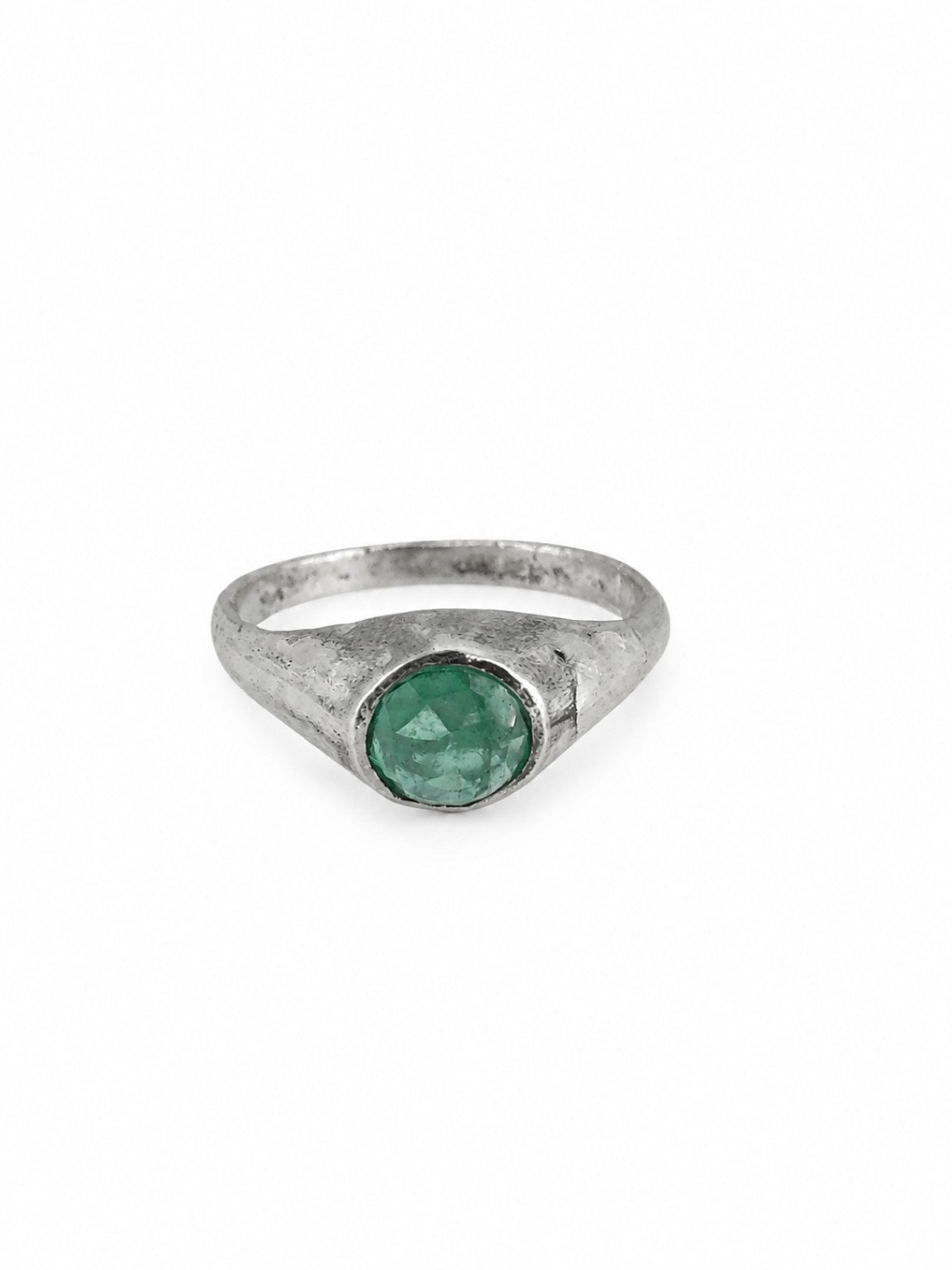
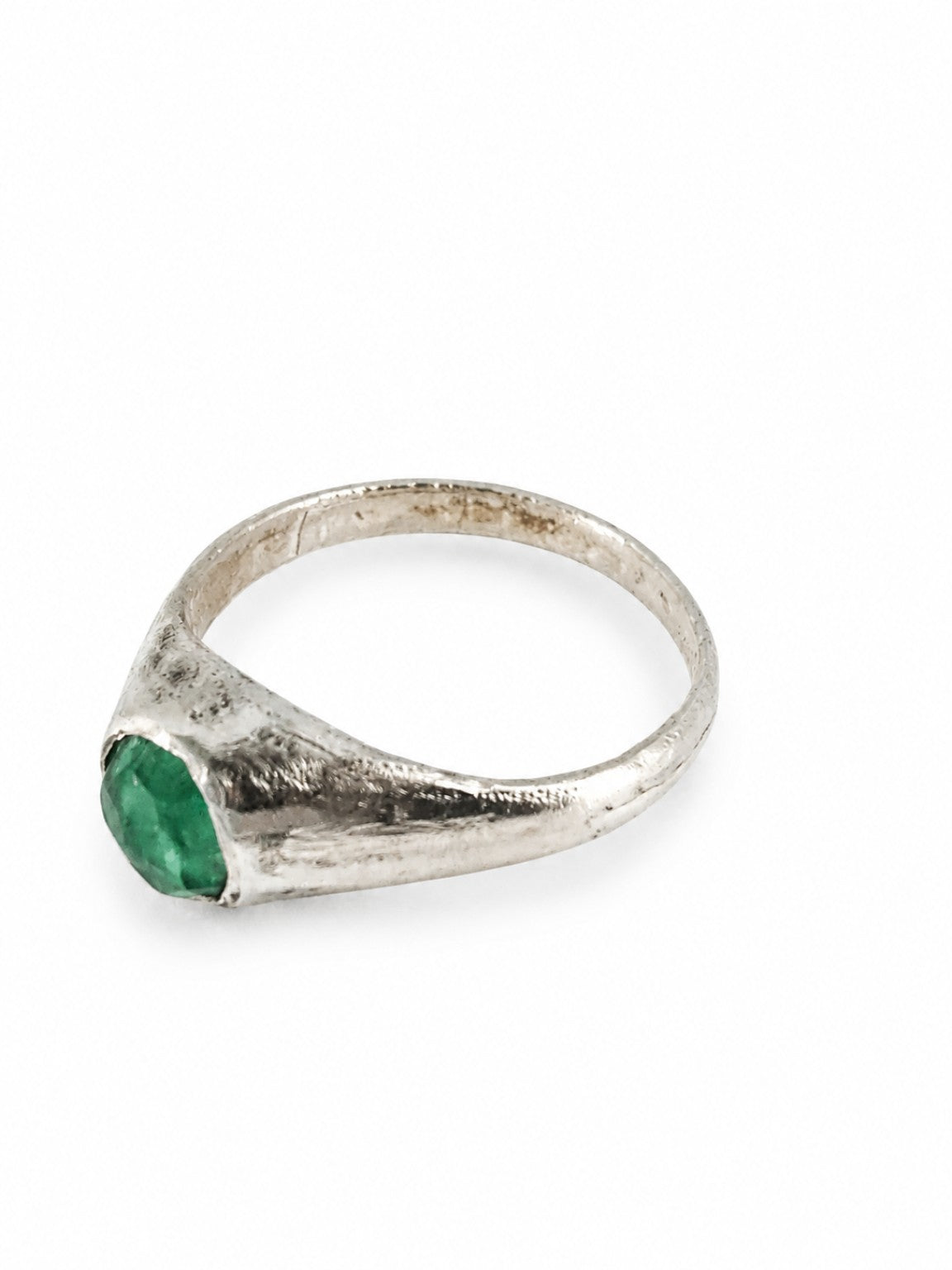
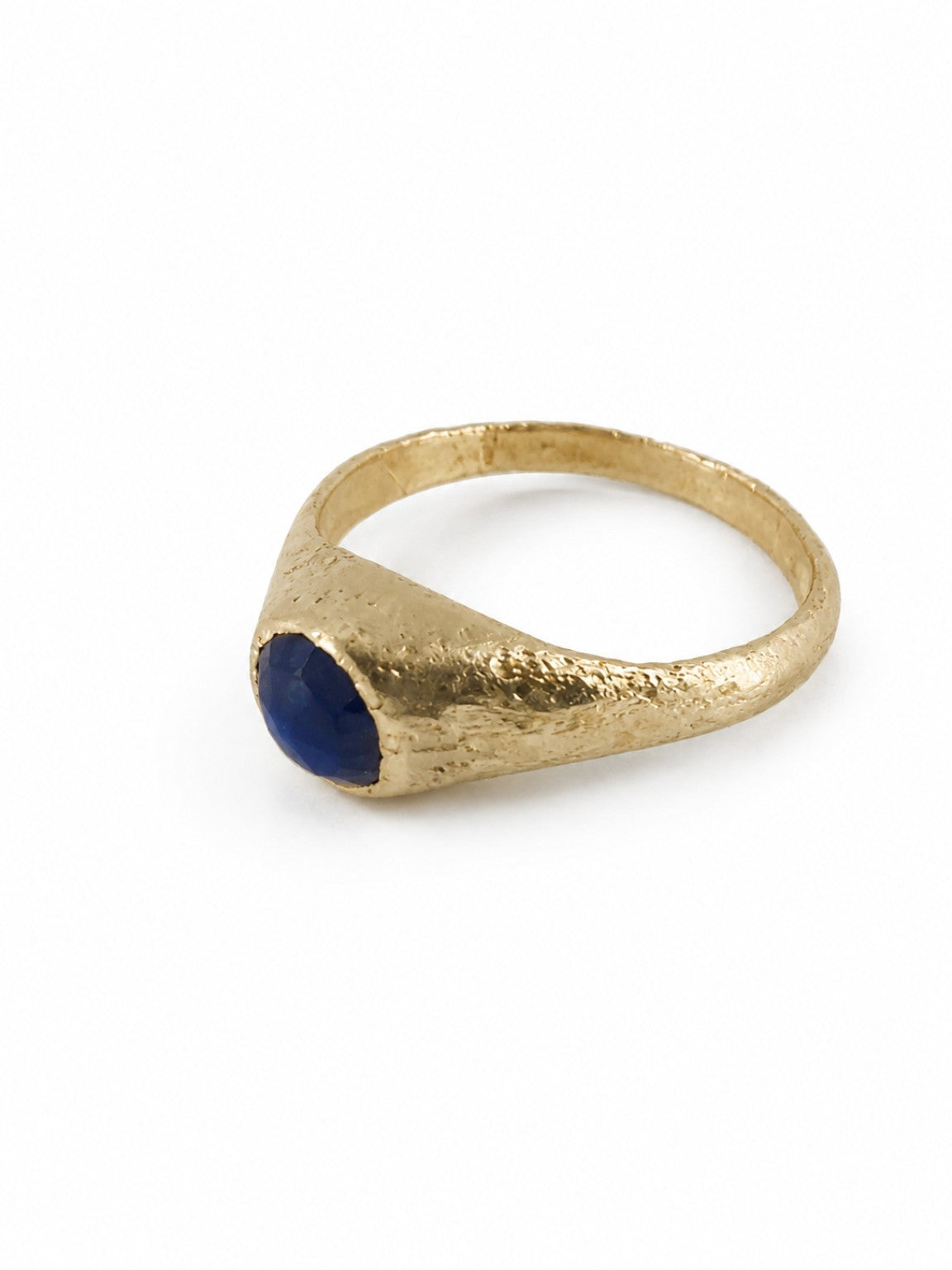
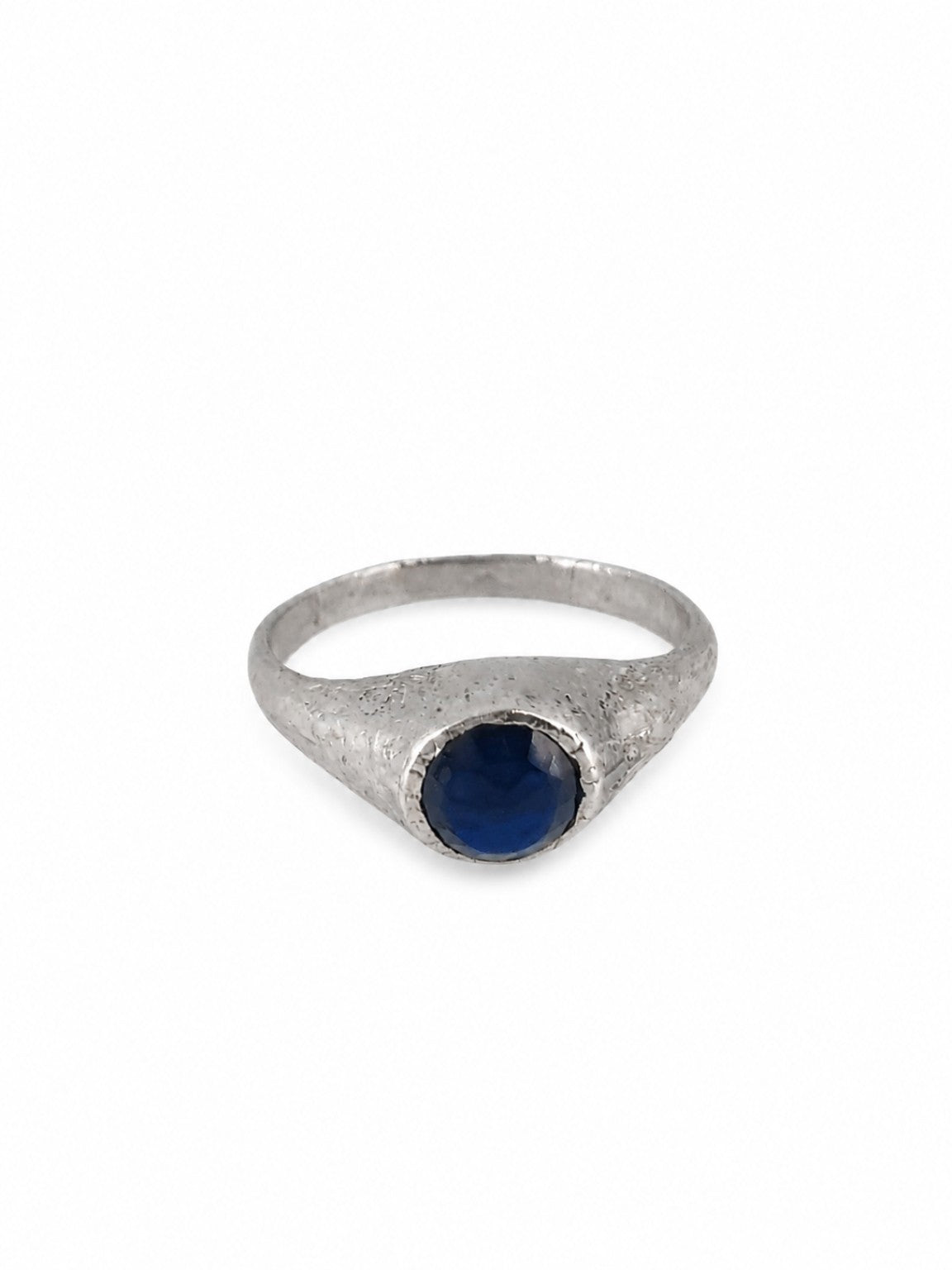
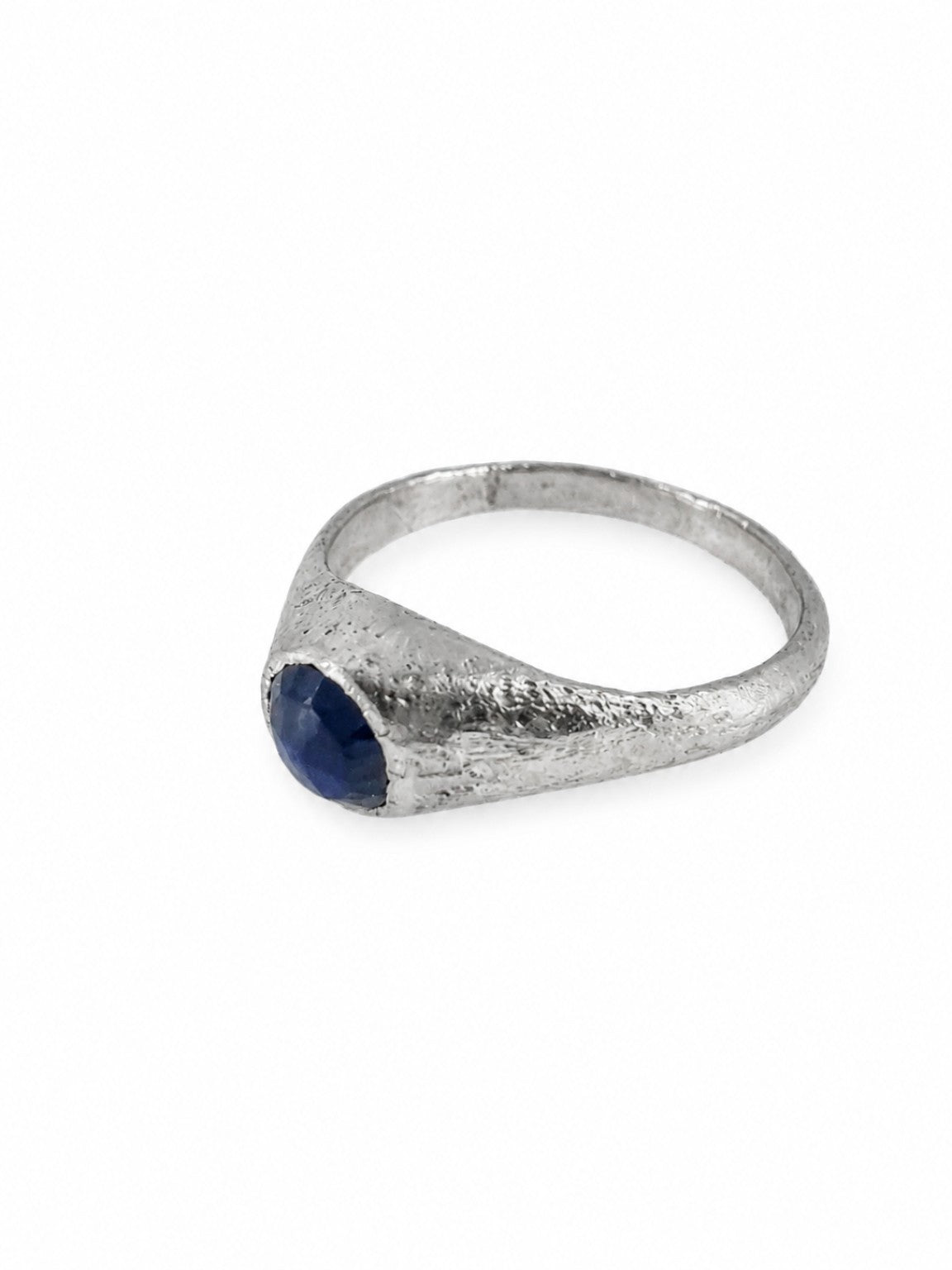
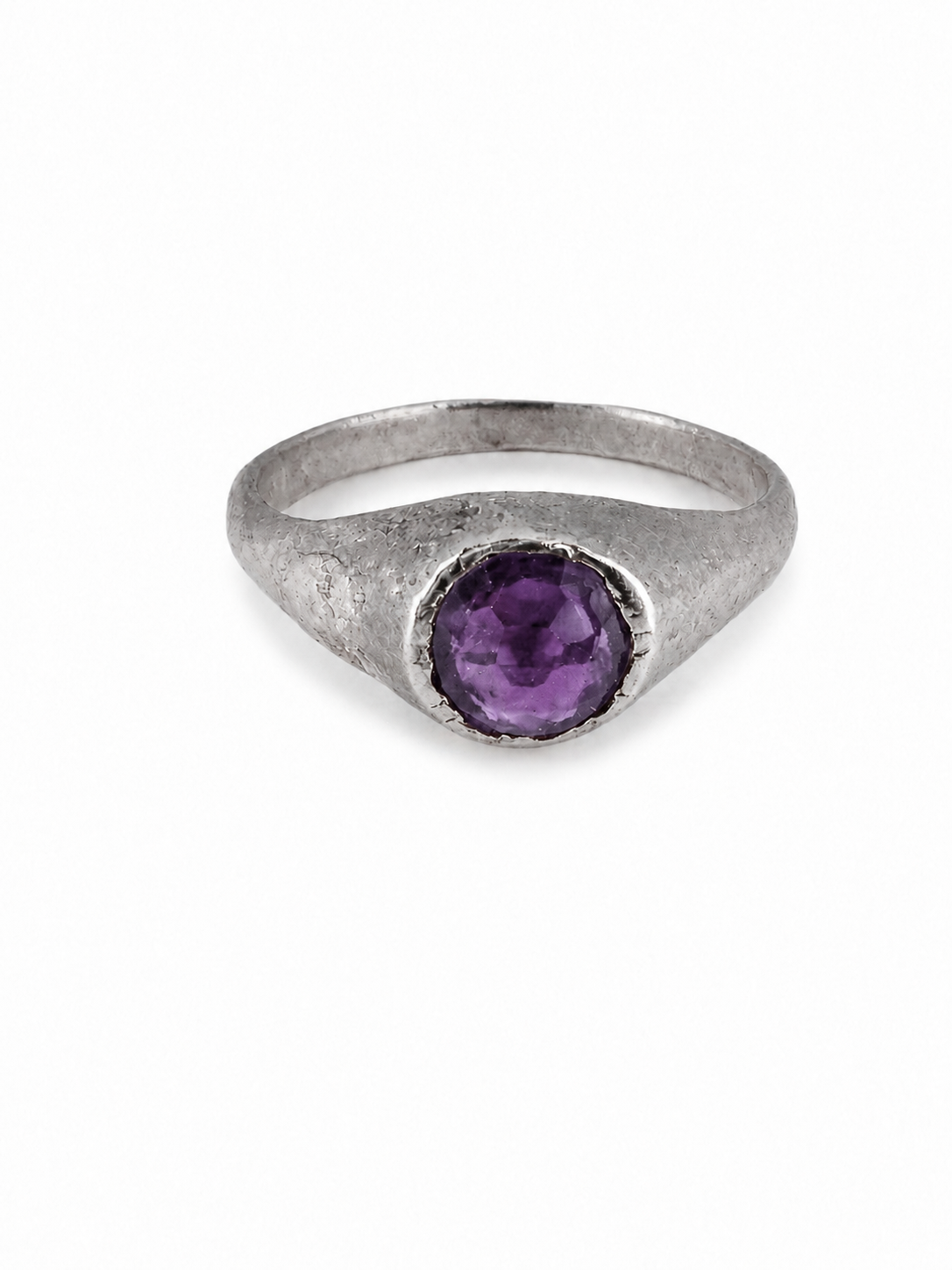
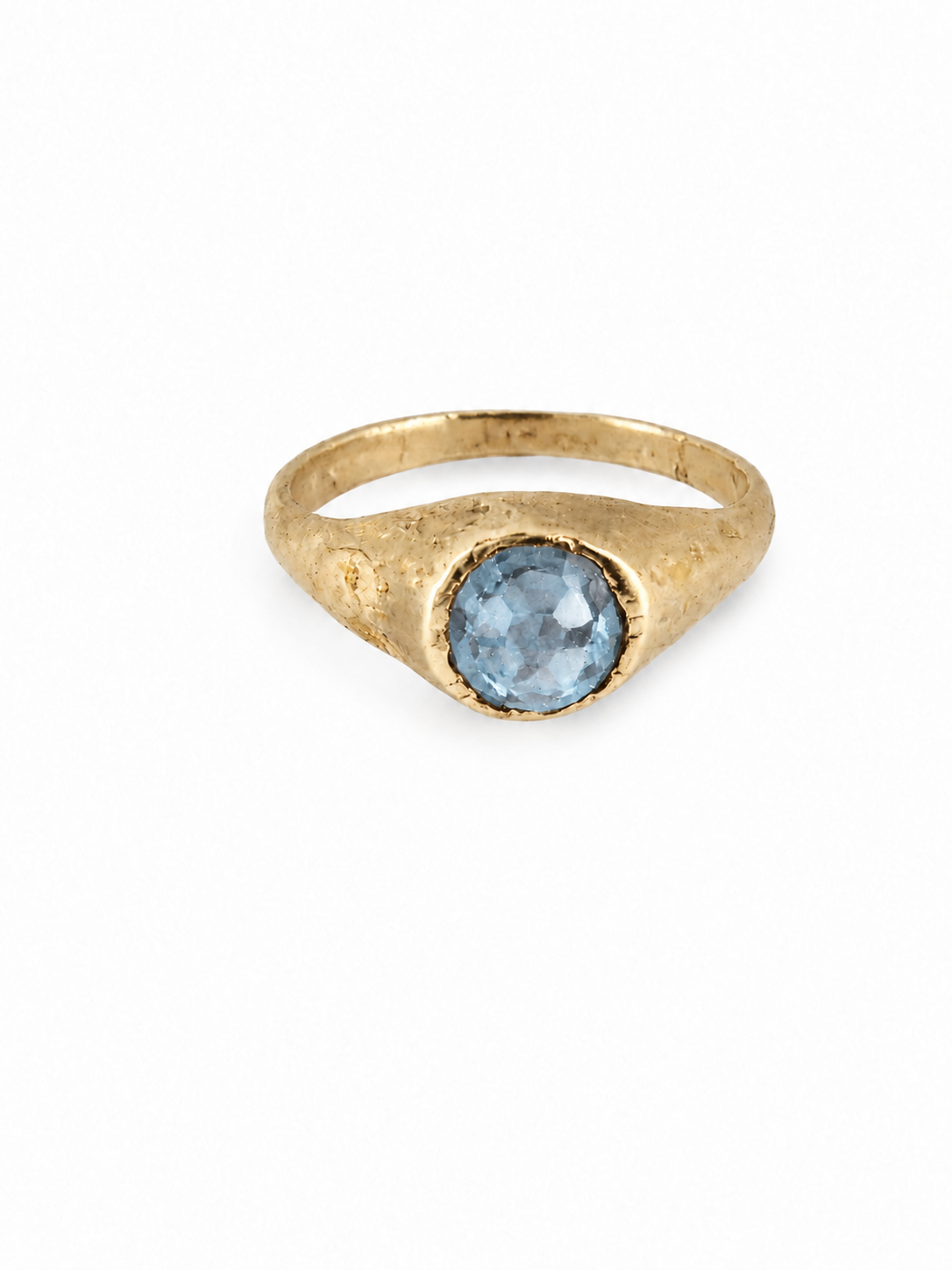
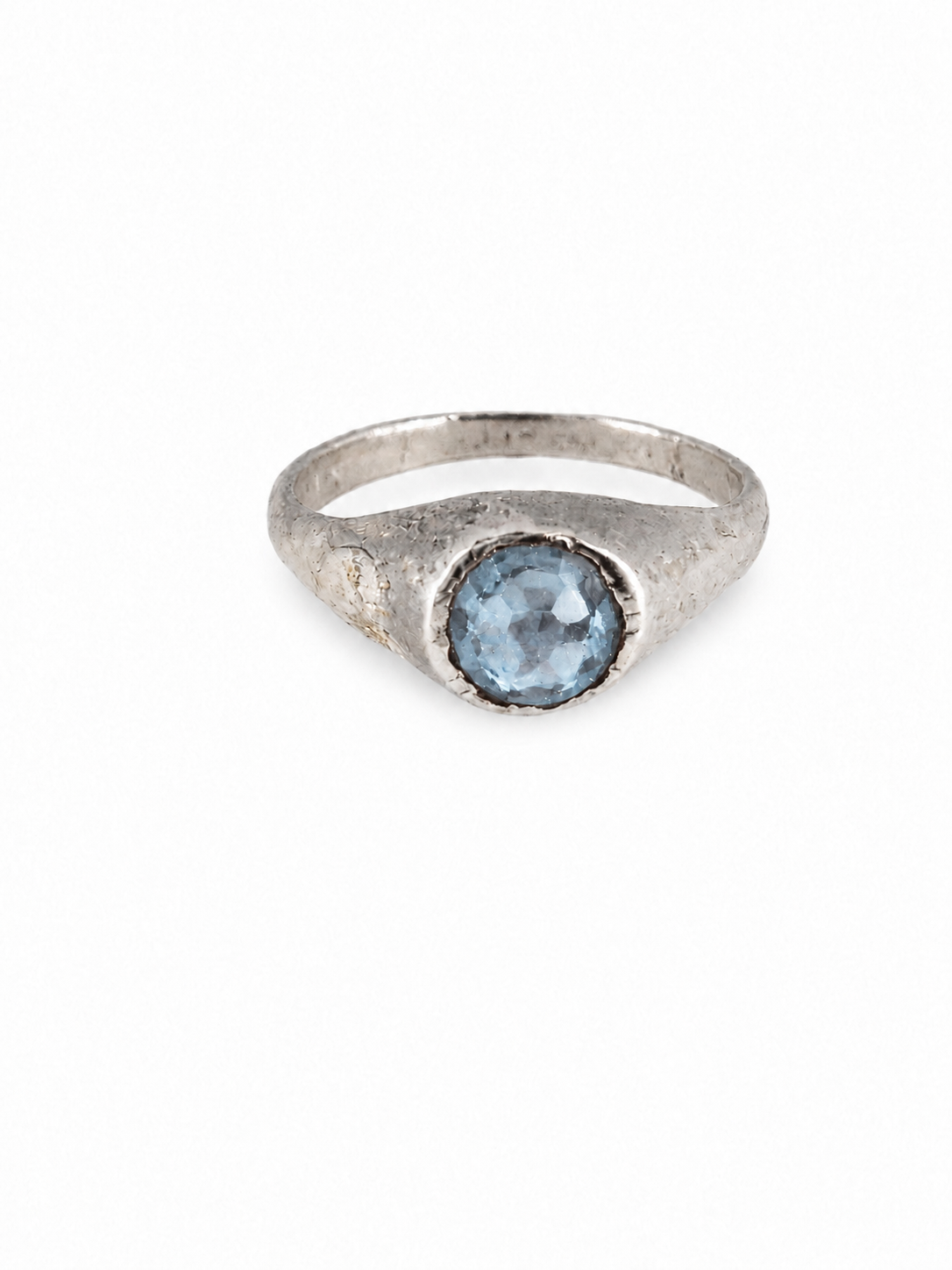
East Yorkshire Medieval Stirrup Ring
A medieval silhouette with colour at its heart.
Metal prices
- Sterling silver
- £407.00
- 9ct Gold
- £1,167.00
- 18ct Gold
- £2,417.00
- Platinum
- £2,117.00
Prices reflect your selected options.
Need help choosing your UK ring size?
Professional measuring is recommended, particularly for wider bands. For an unusual size, contact our Leeds workshop before ordering.
Dispatch: Please allow 1–2 weeks before dispatch for individual hand casting and finishing. Delivery time is additional.
UK delivery: £9 per order by Royal Mail Special Delivery. View UK and international delivery details.
Need it for a particular date, including Christmas? Contact our workshop before ordering.
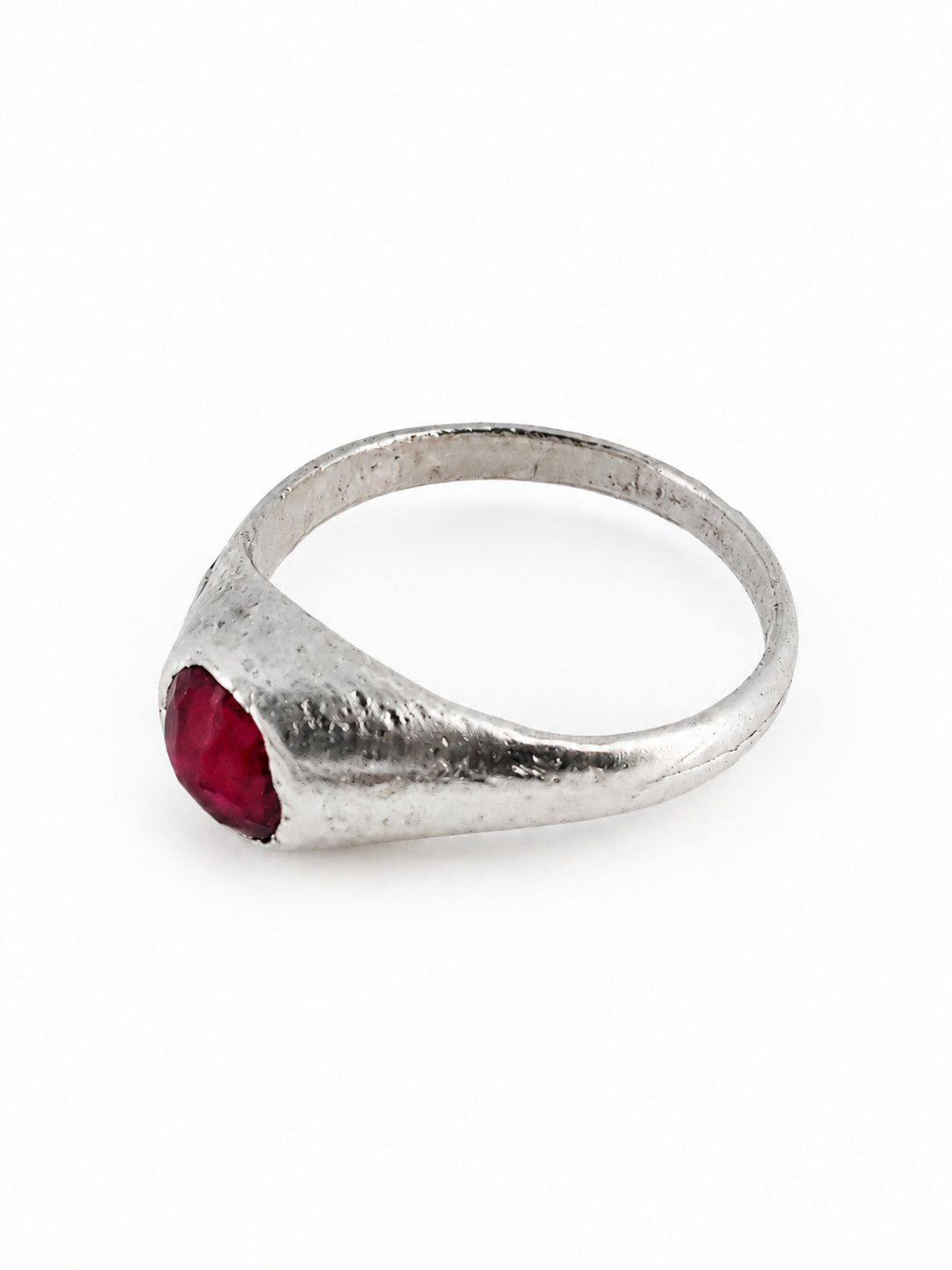
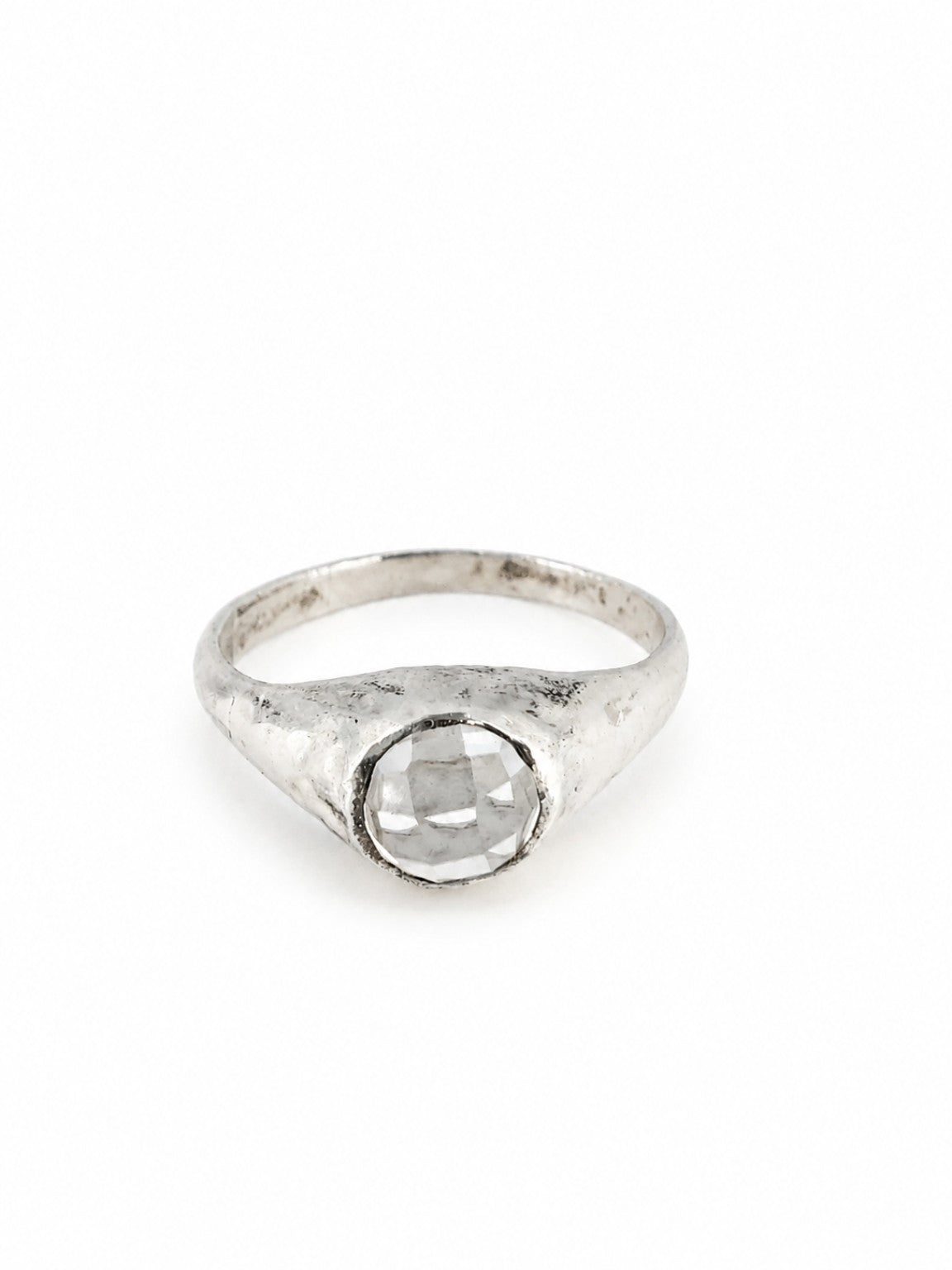
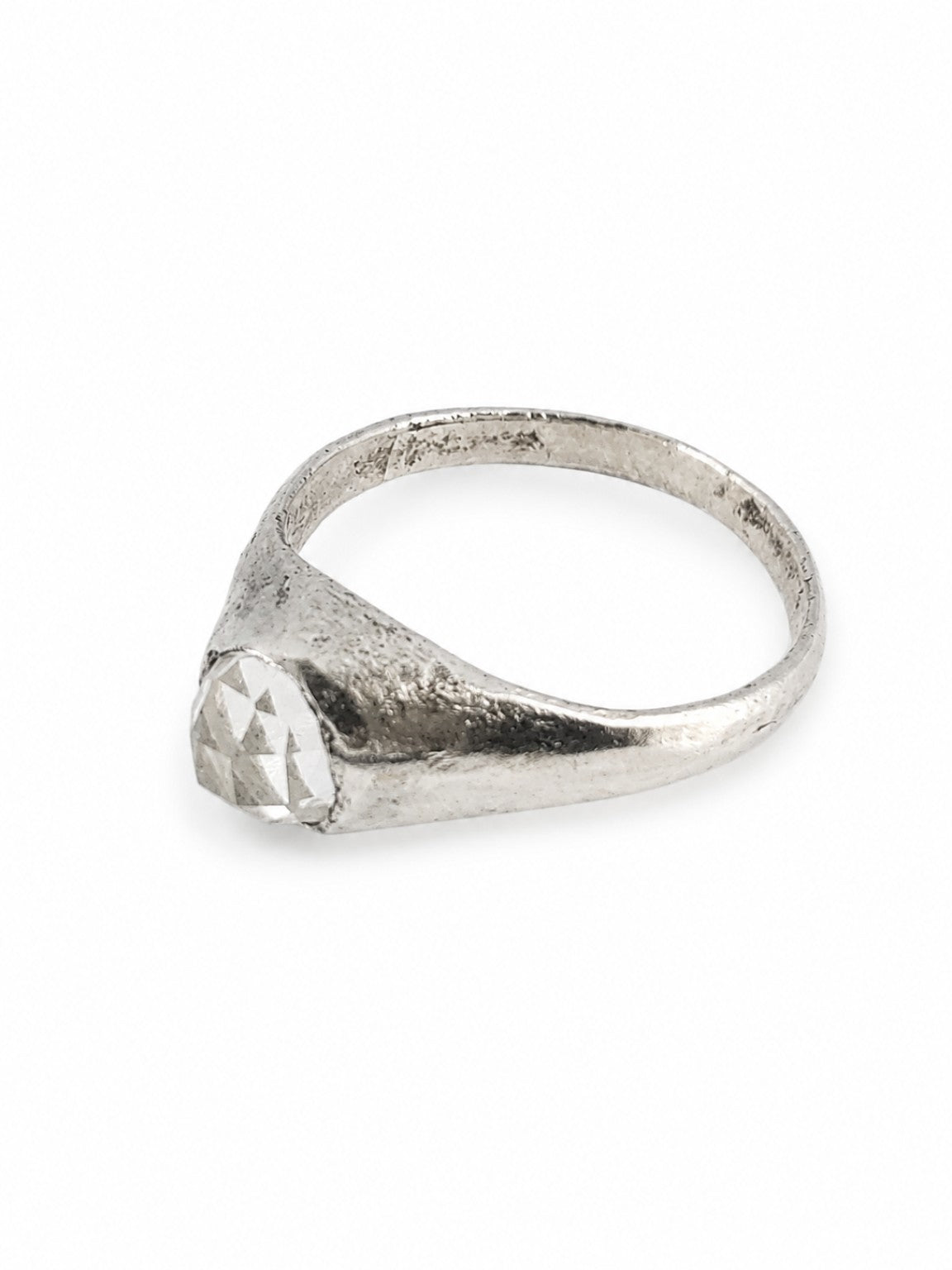
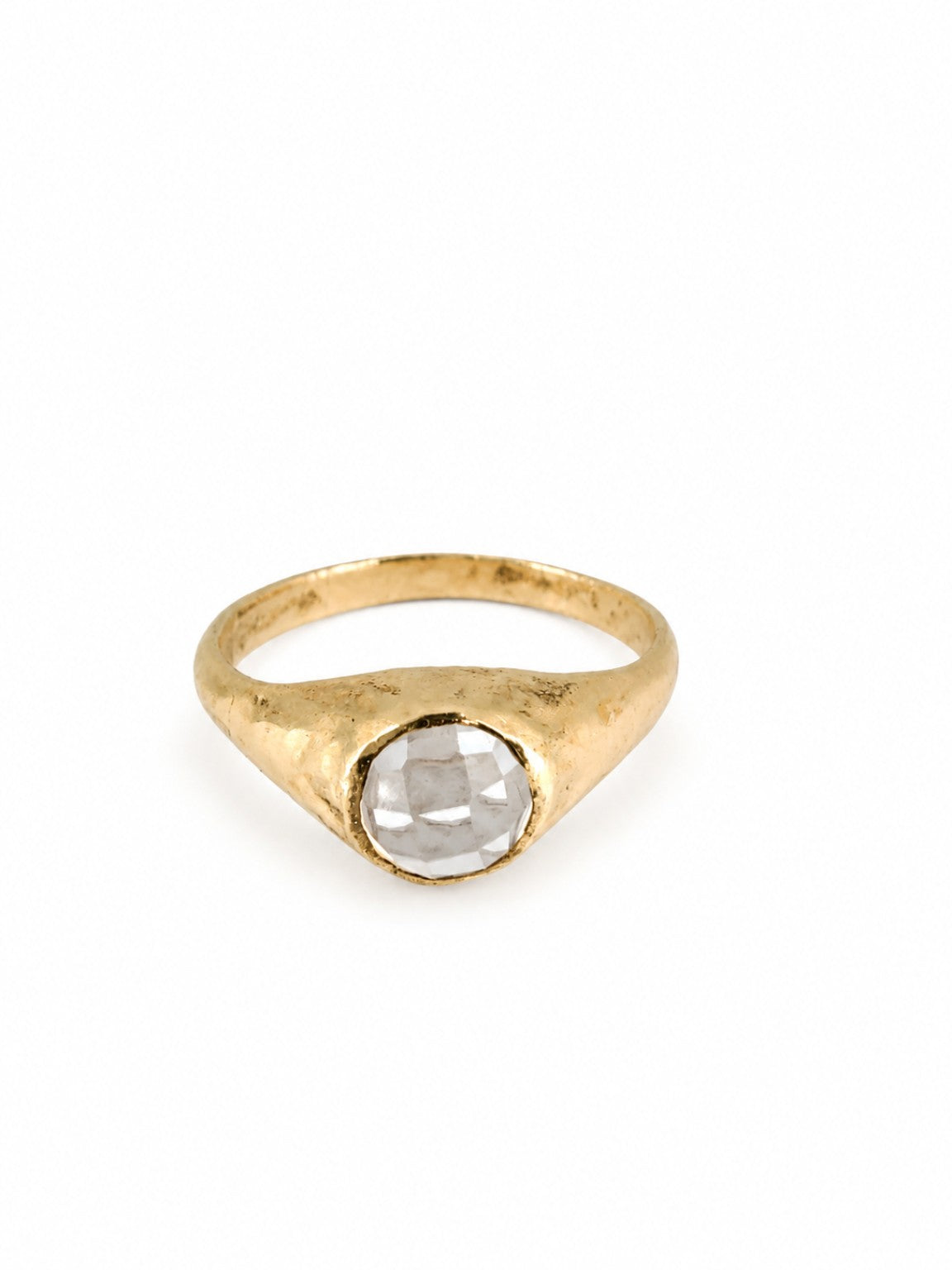
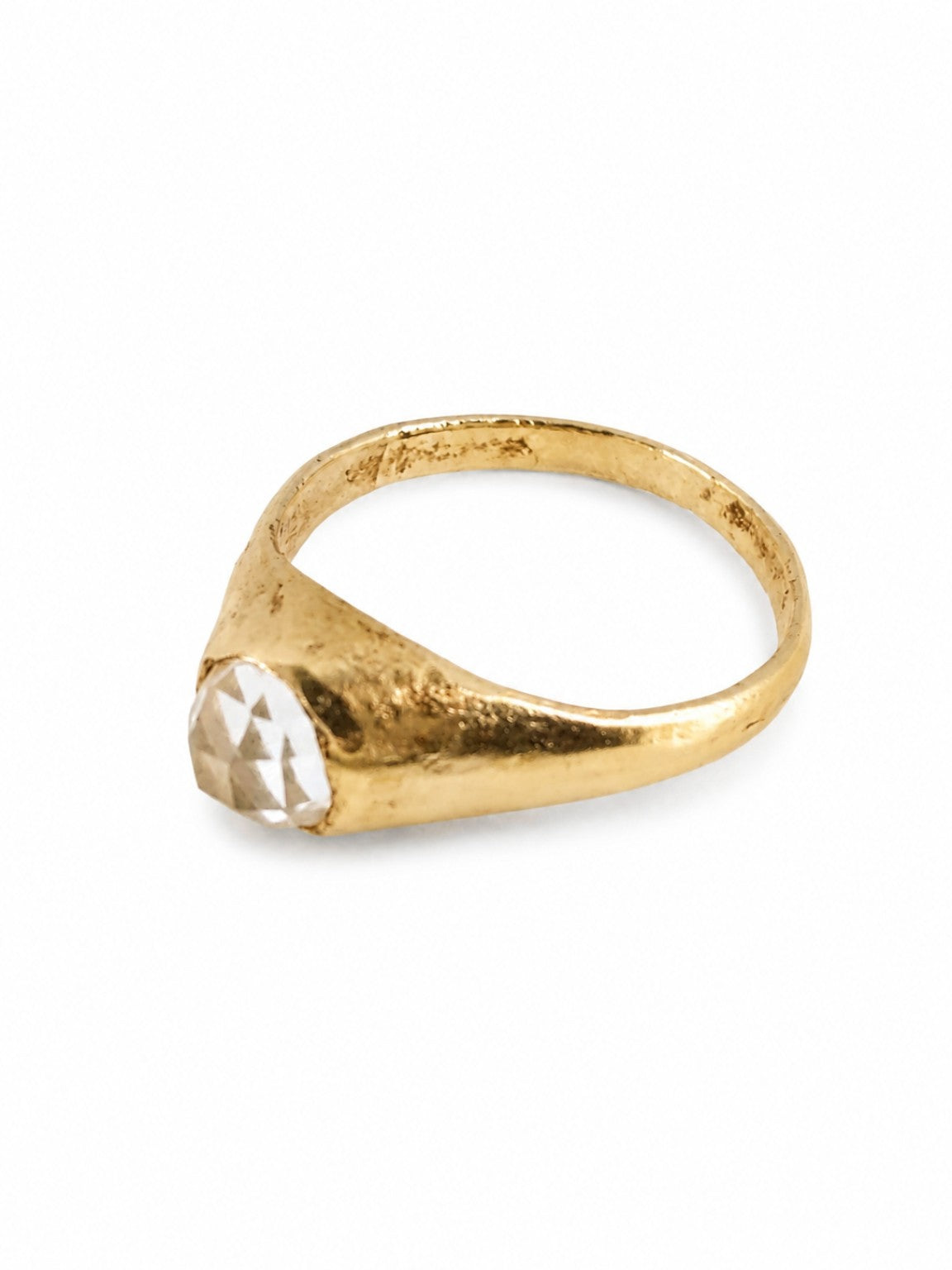
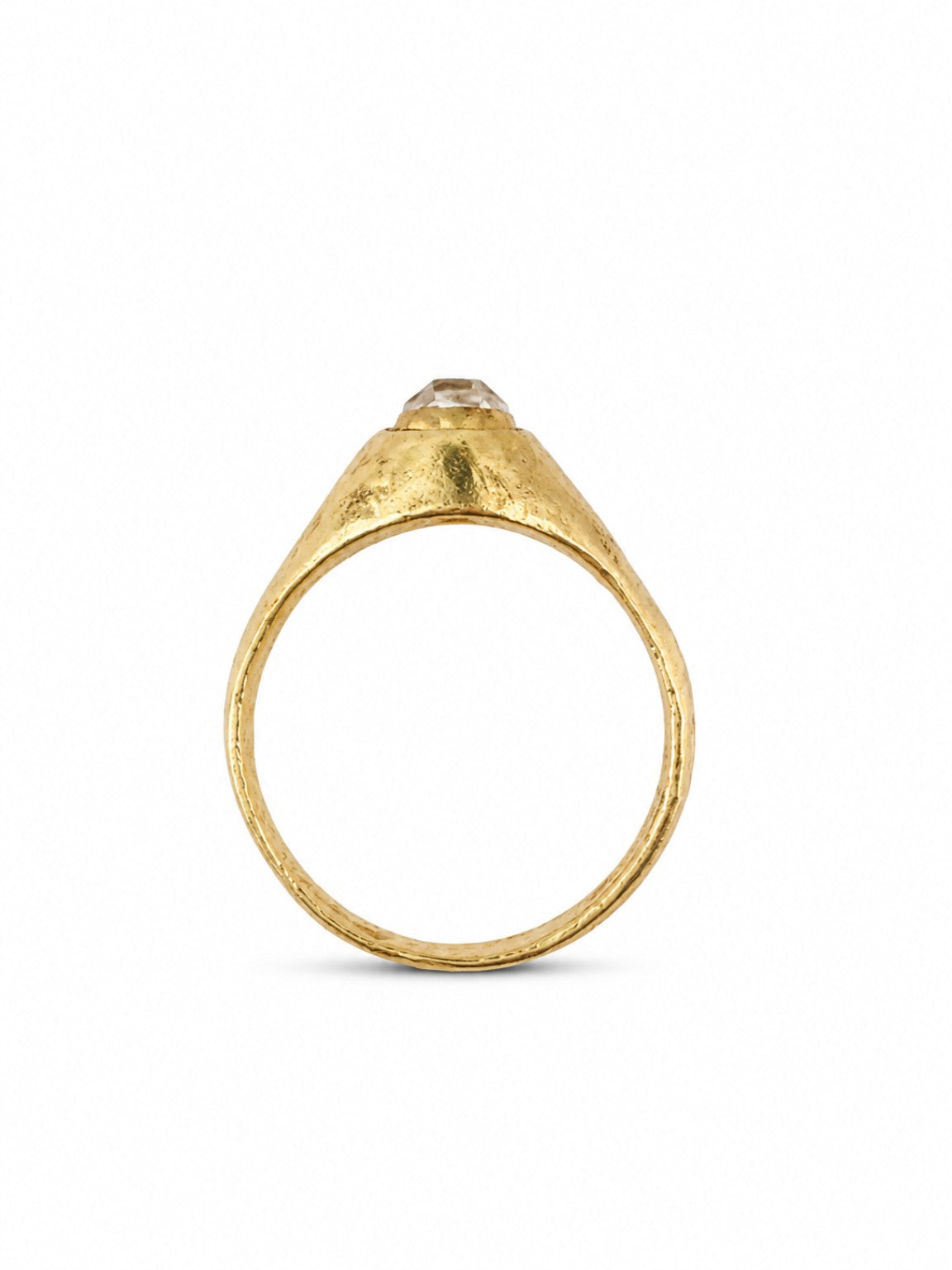
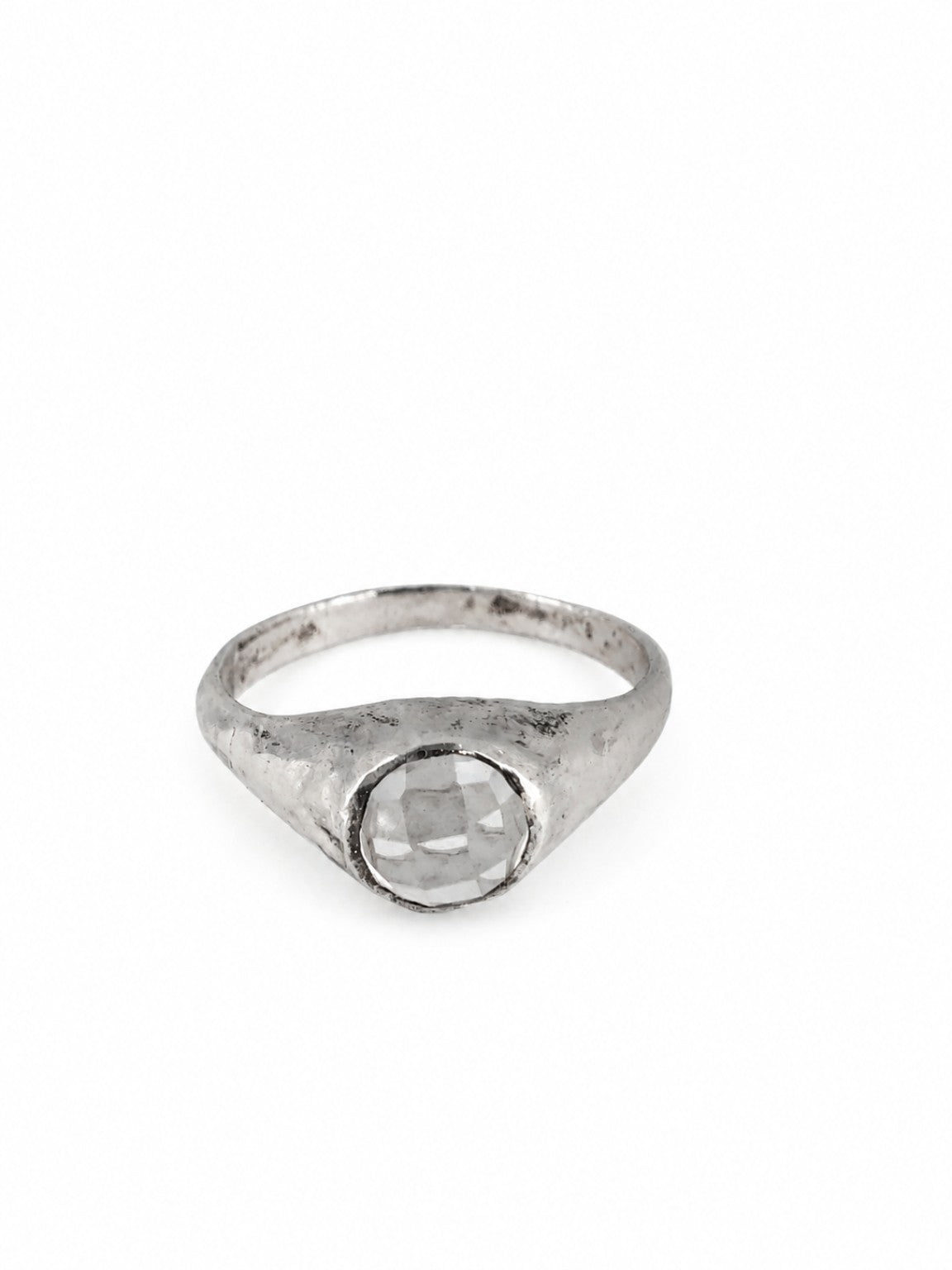
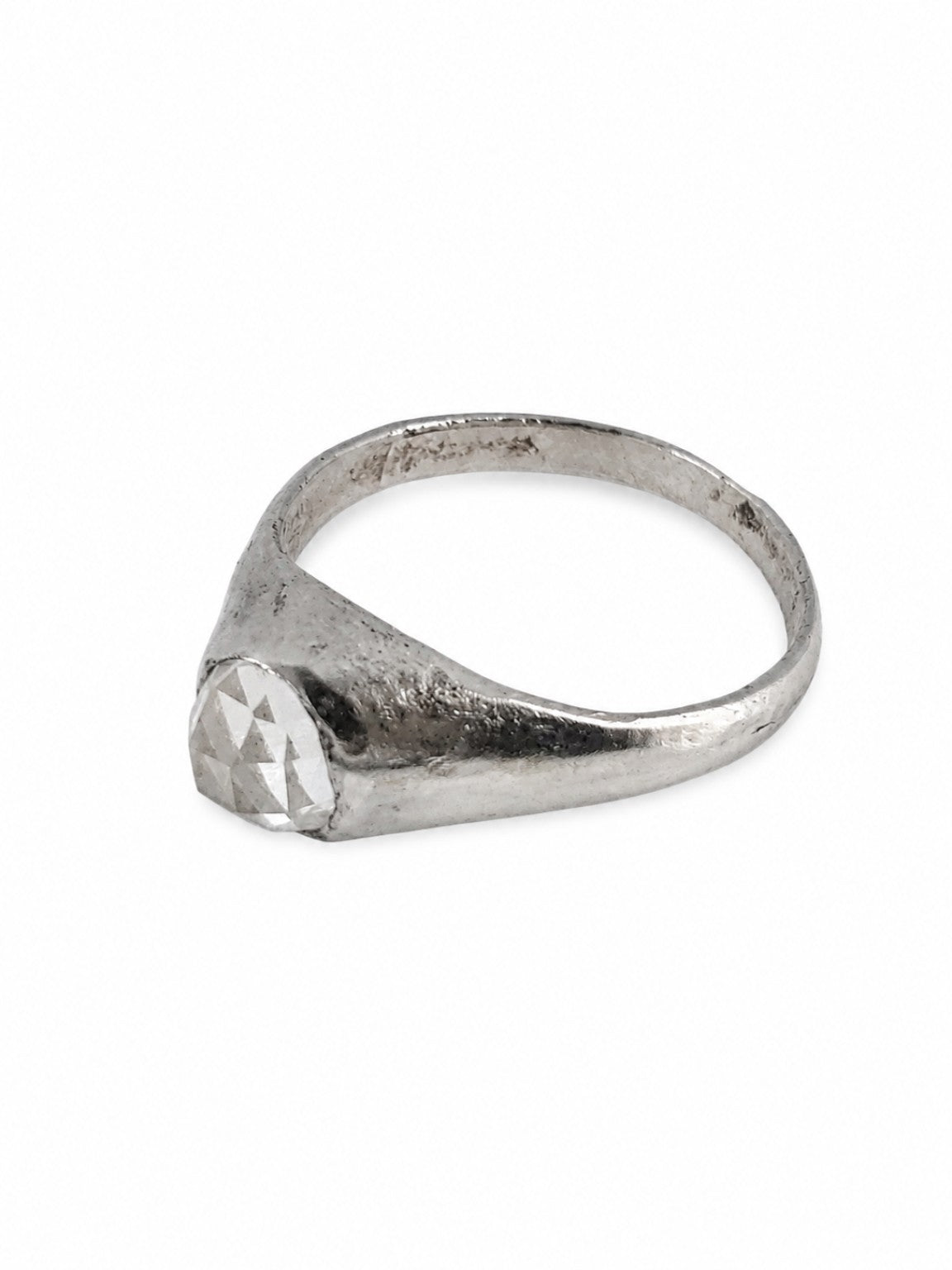
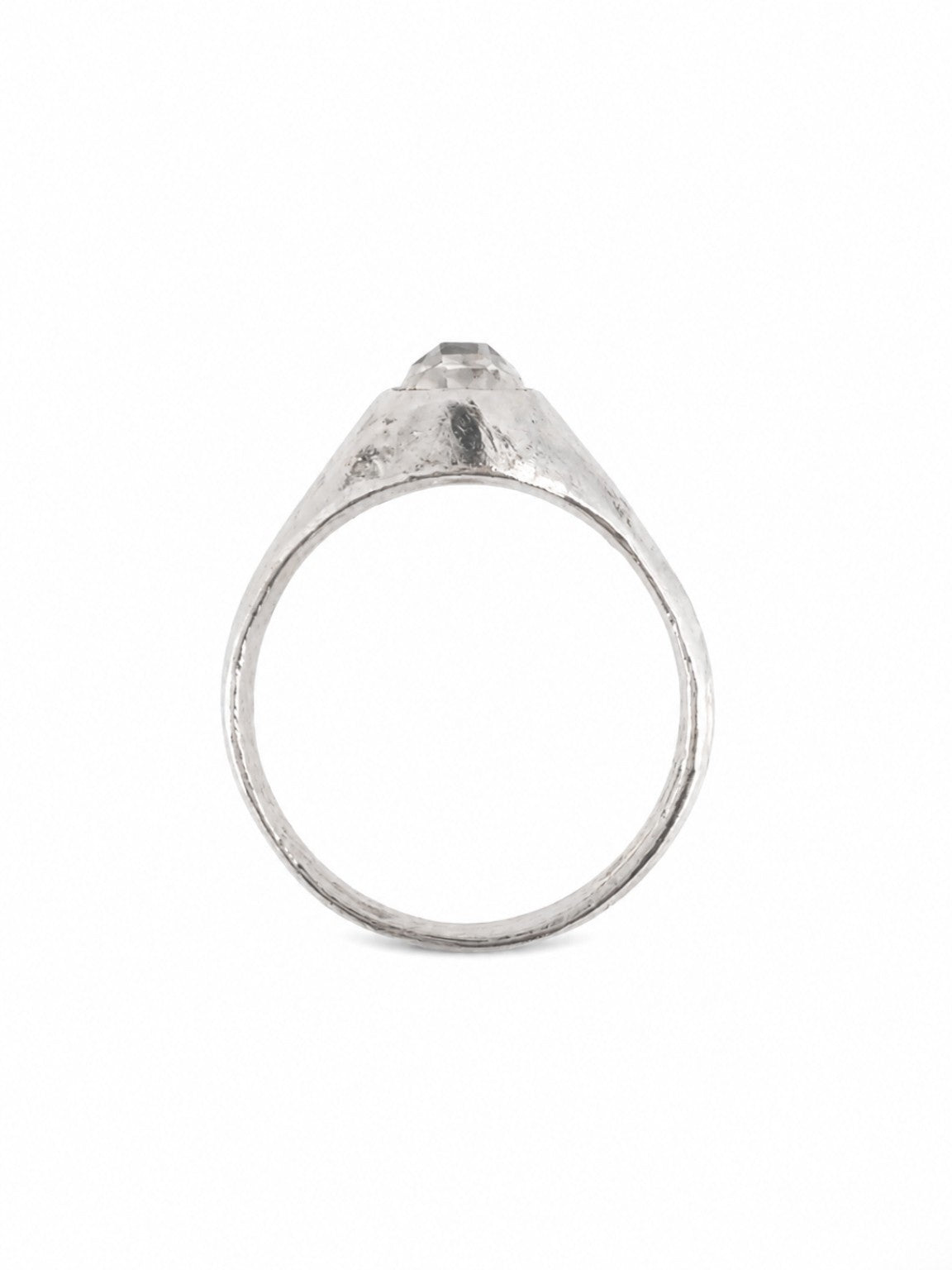
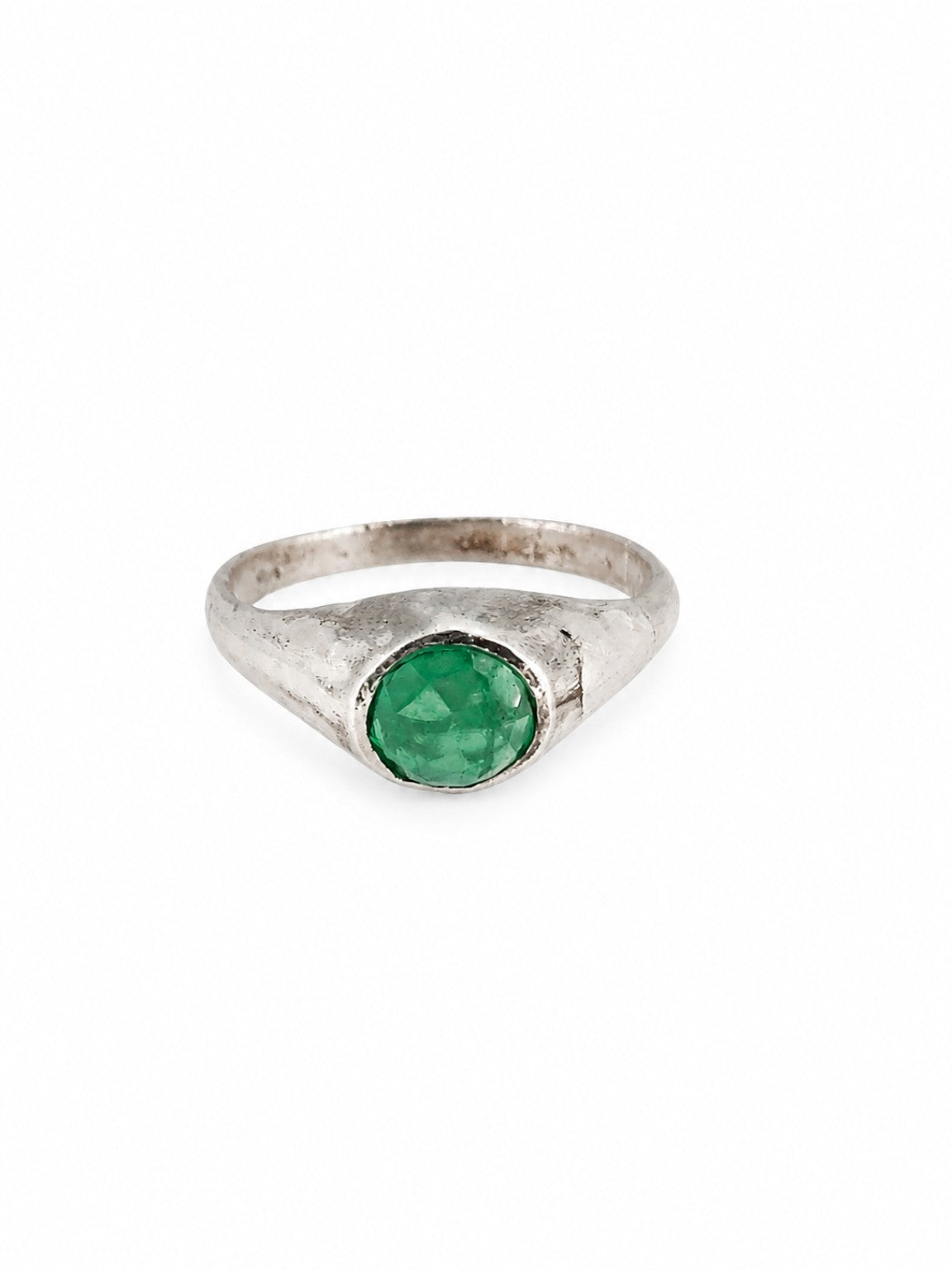
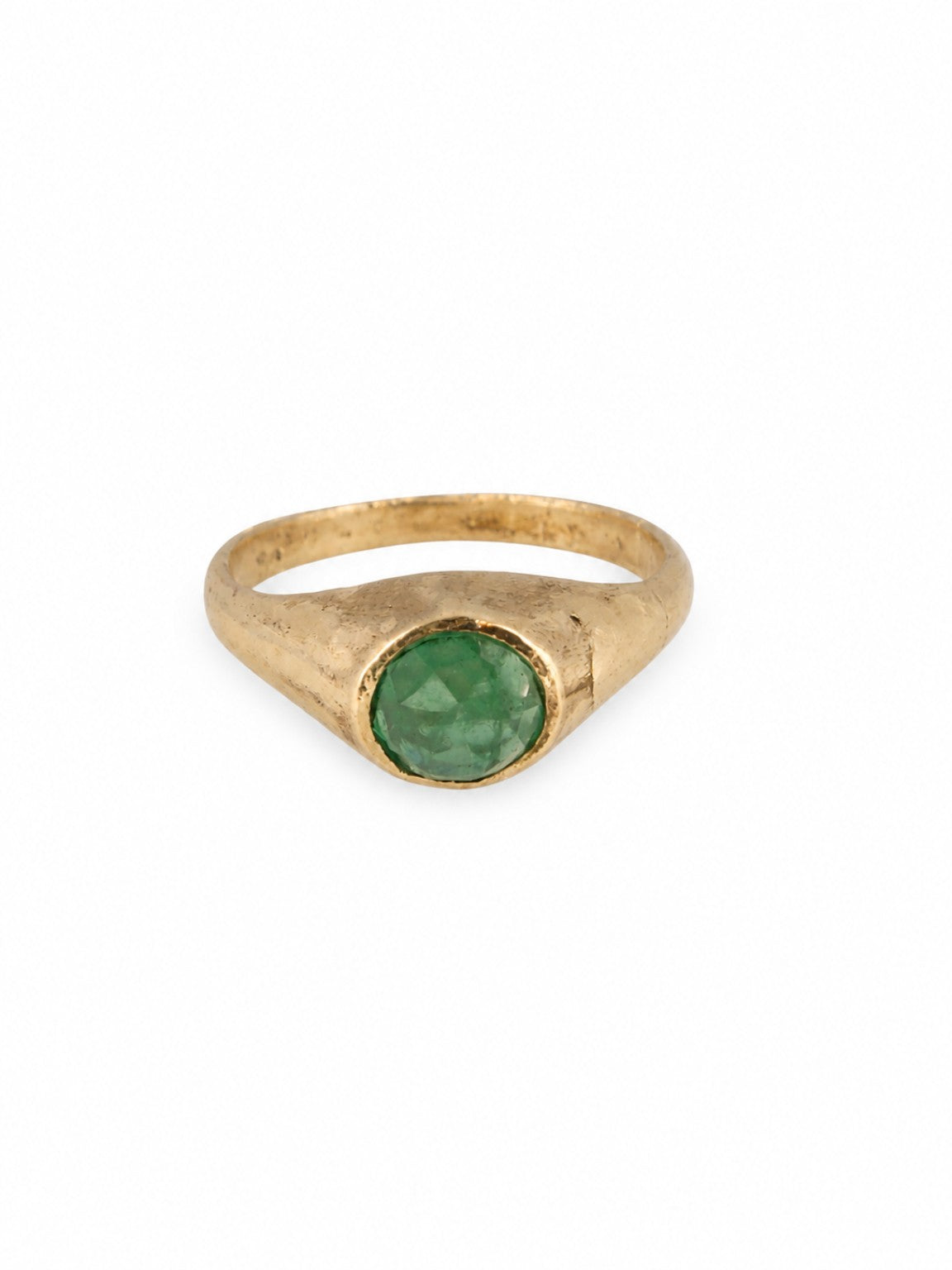
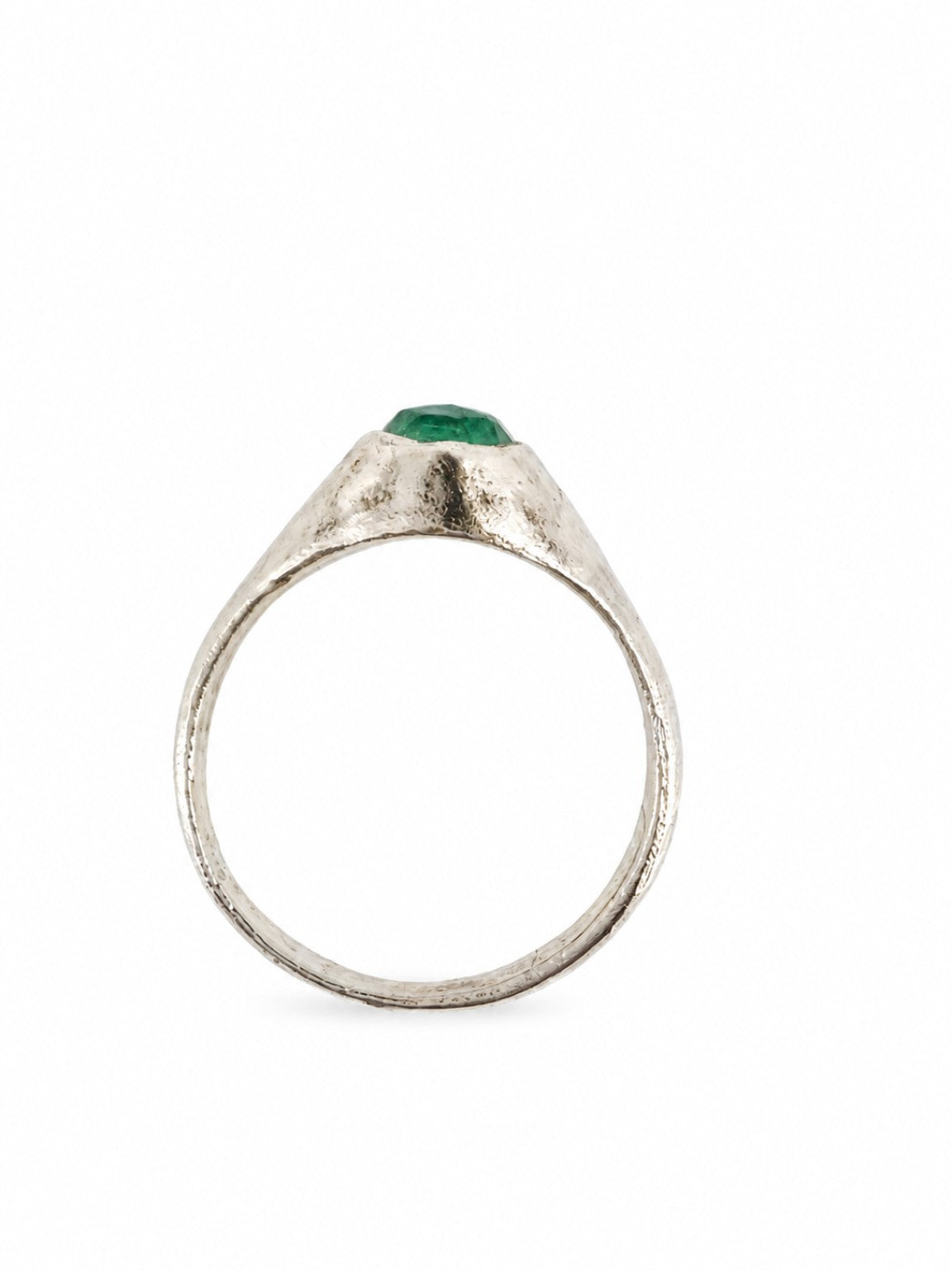
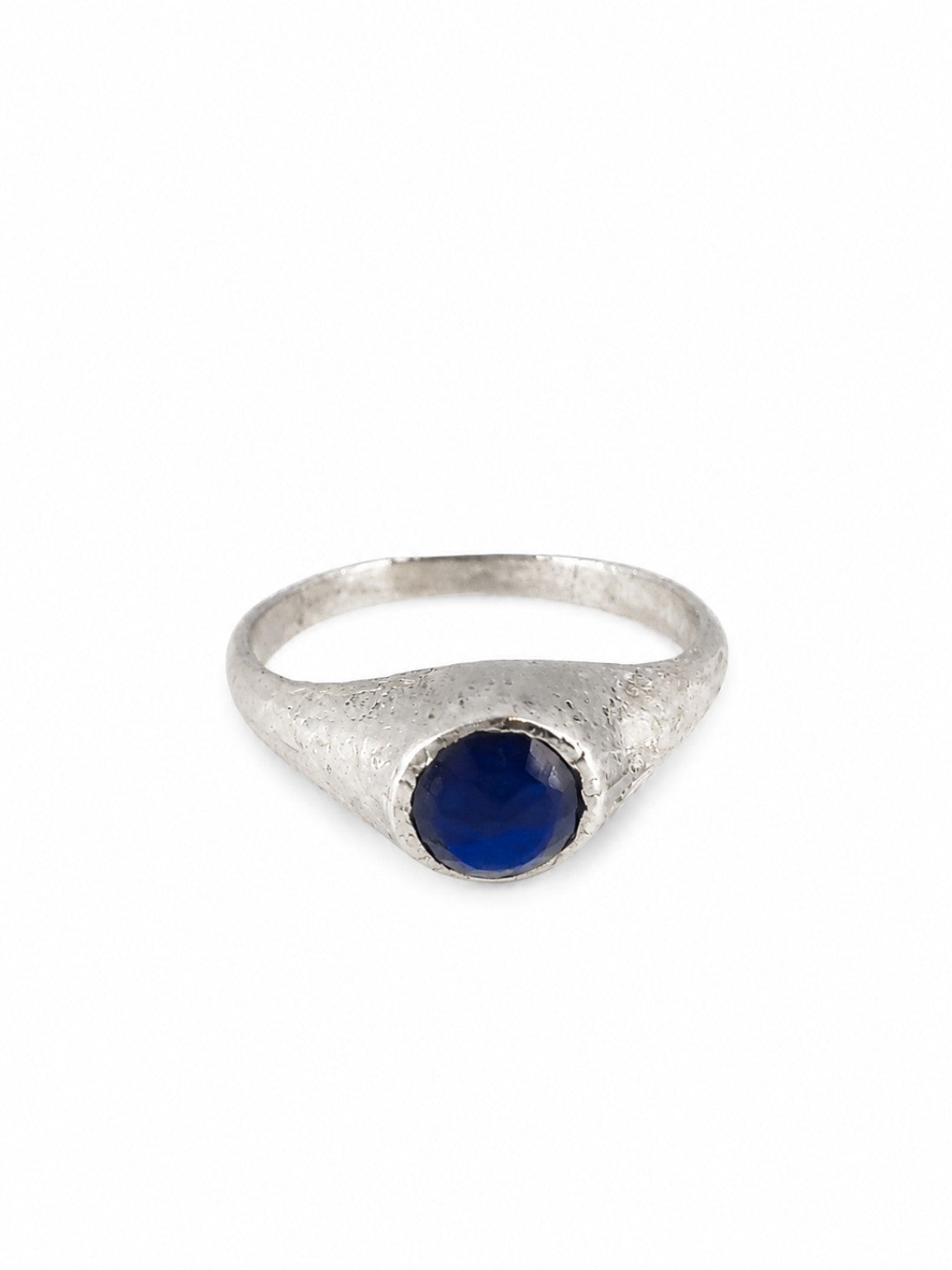
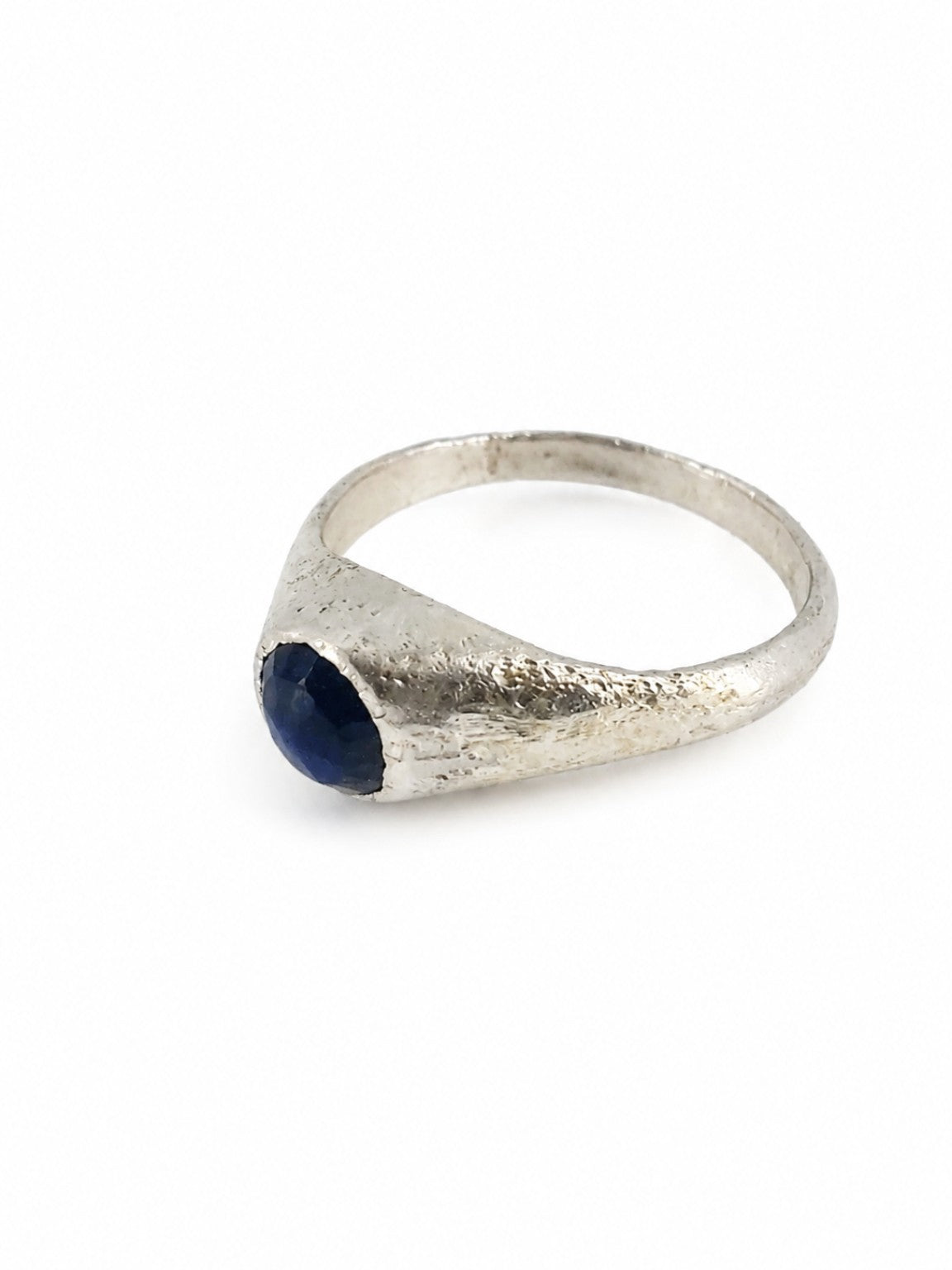
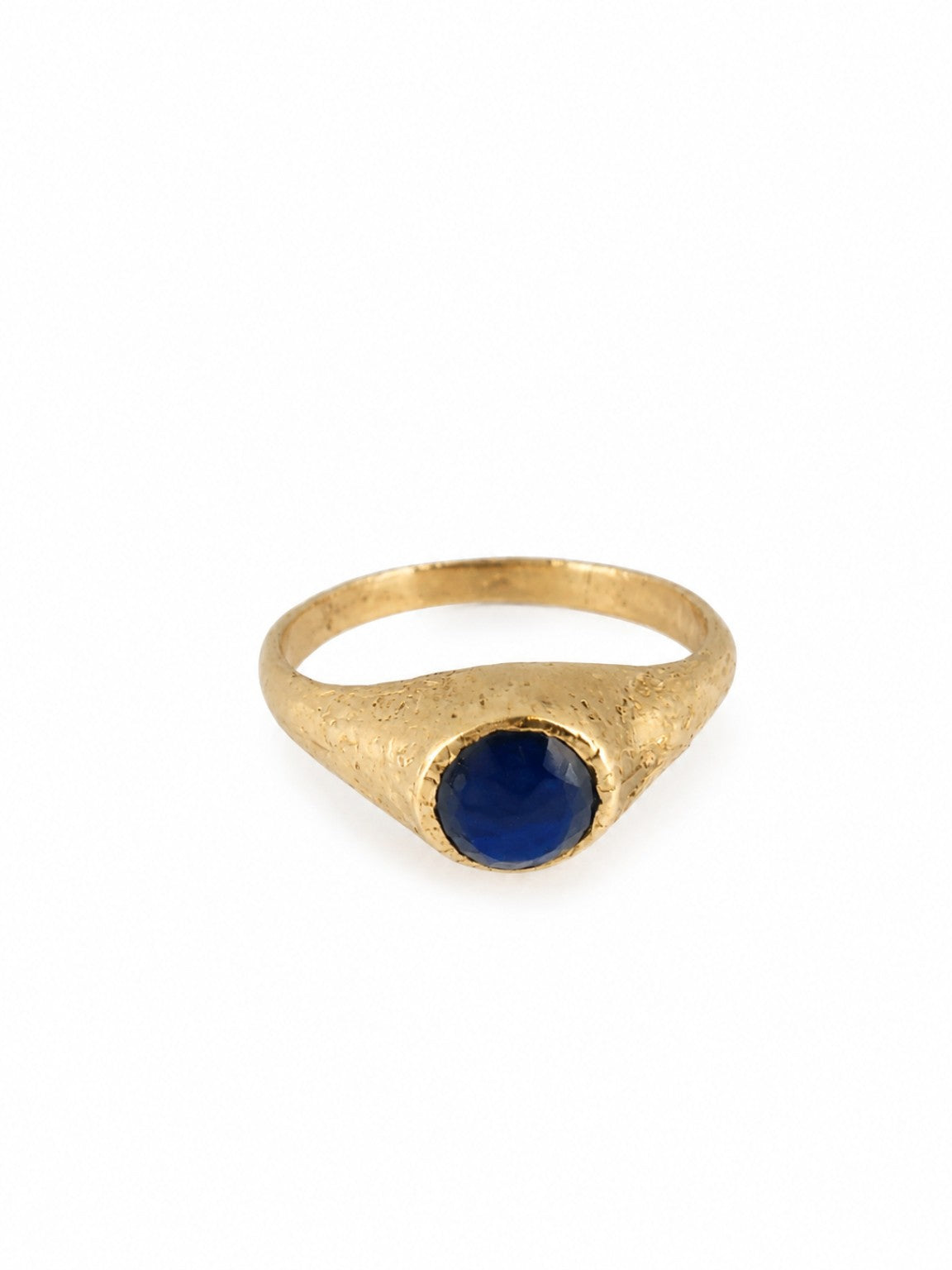
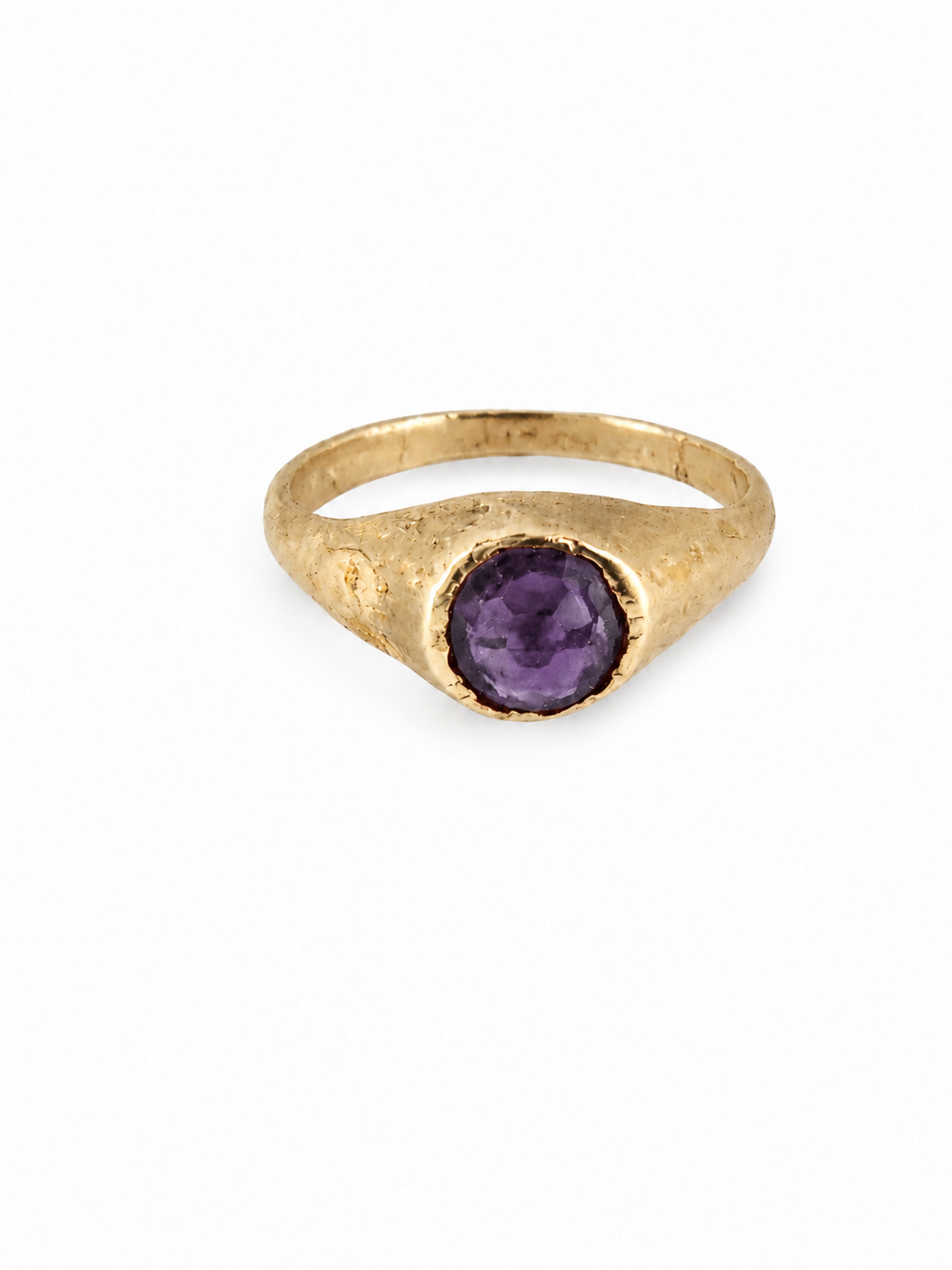
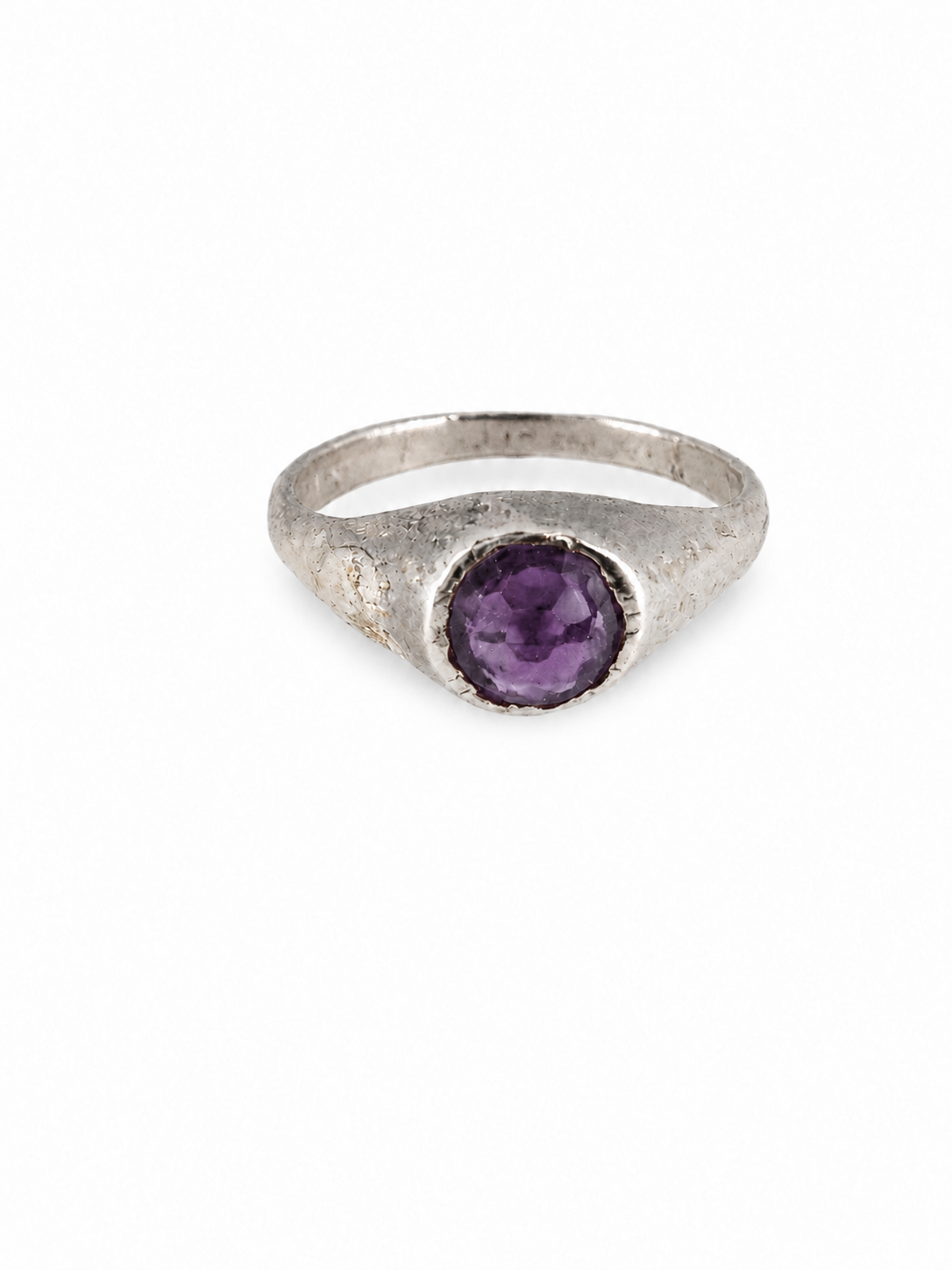
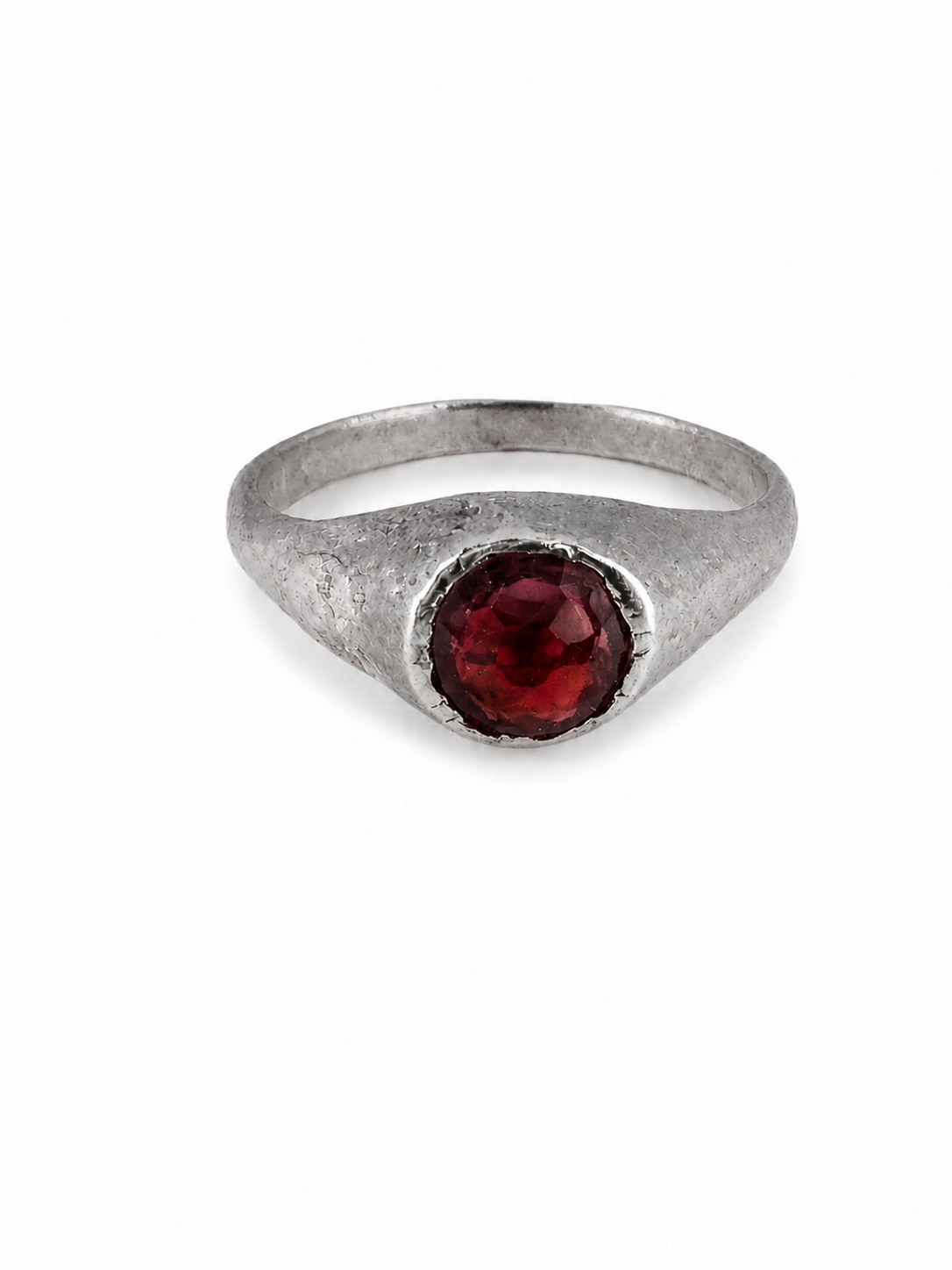
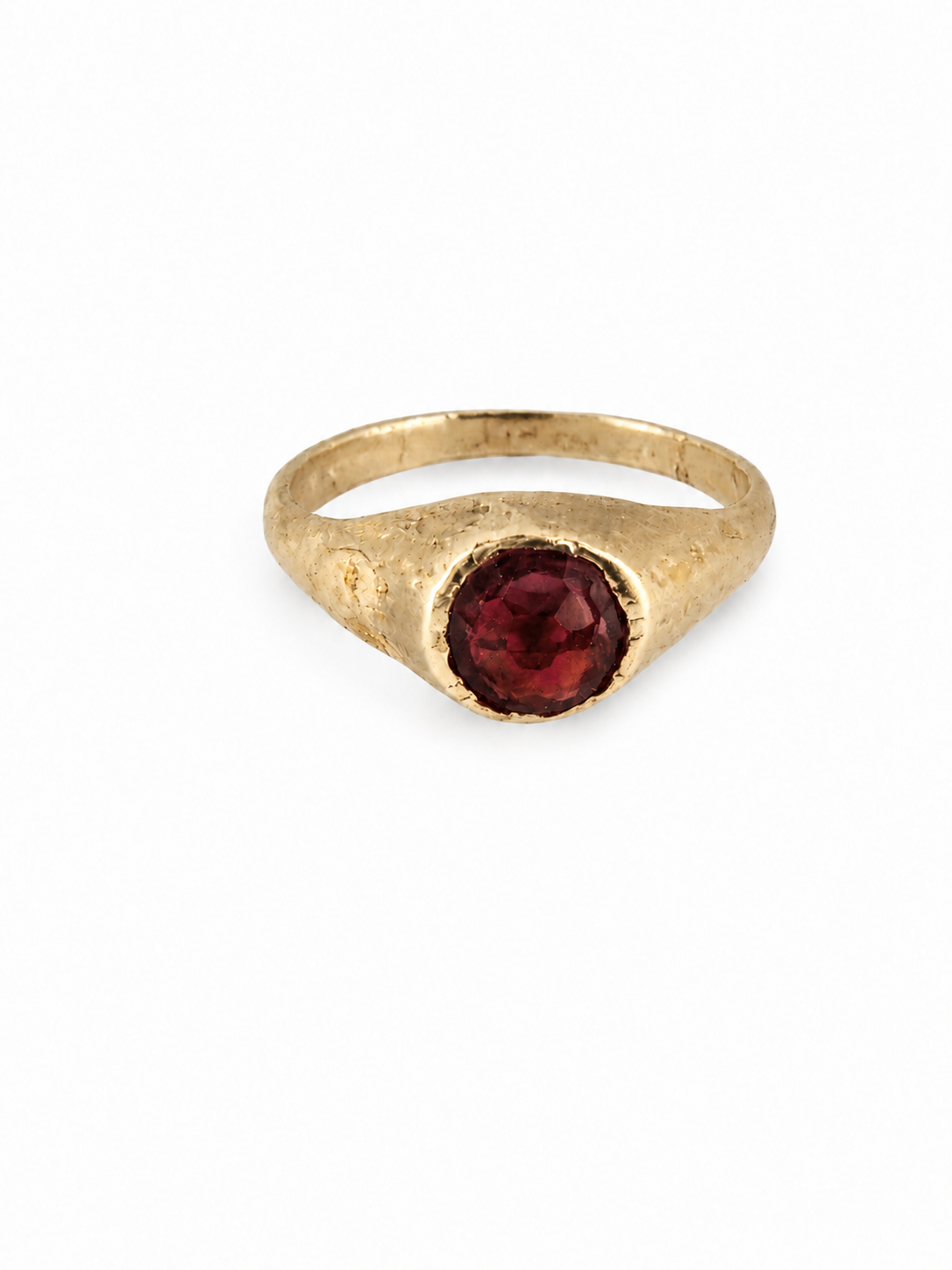
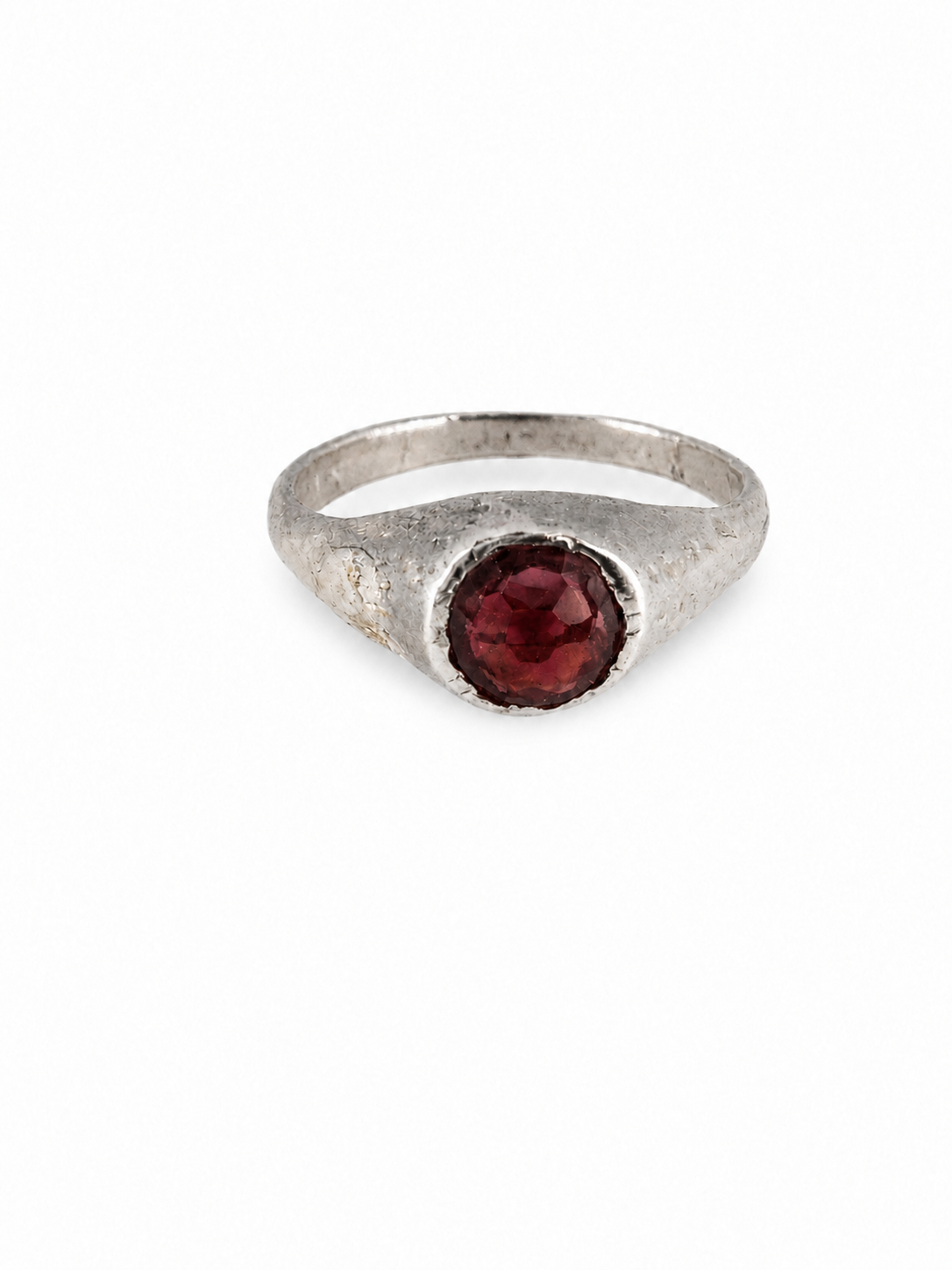
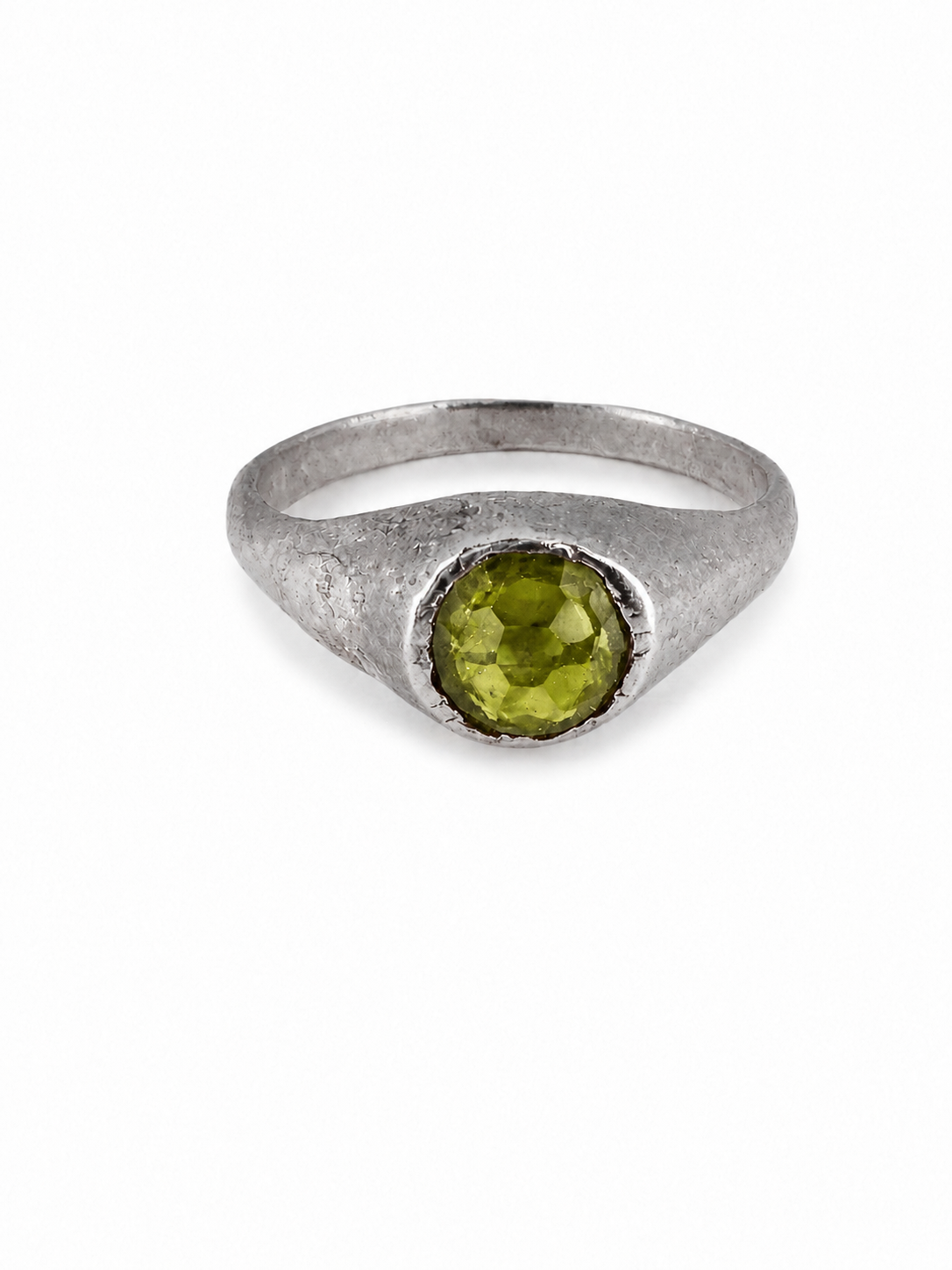
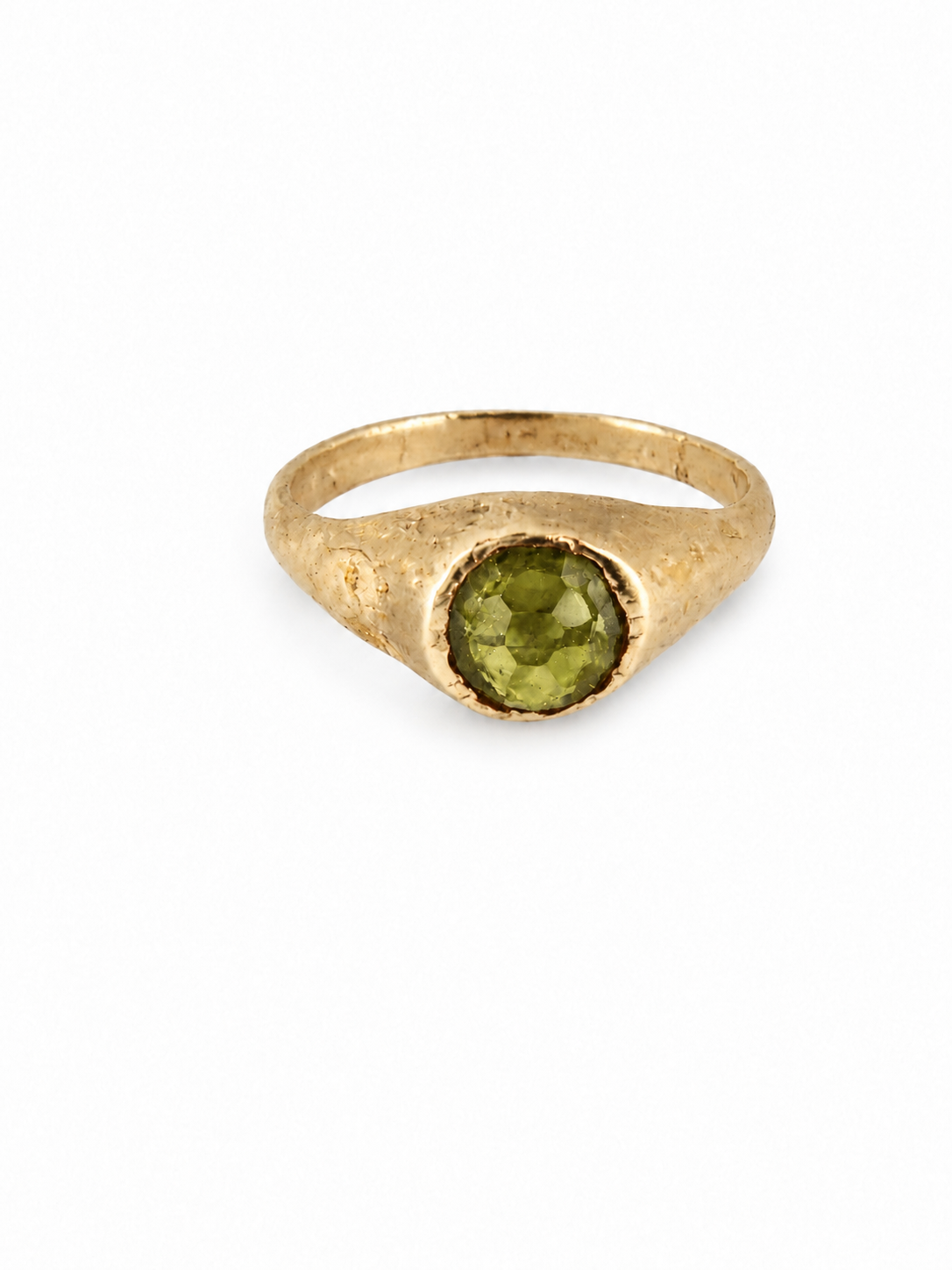
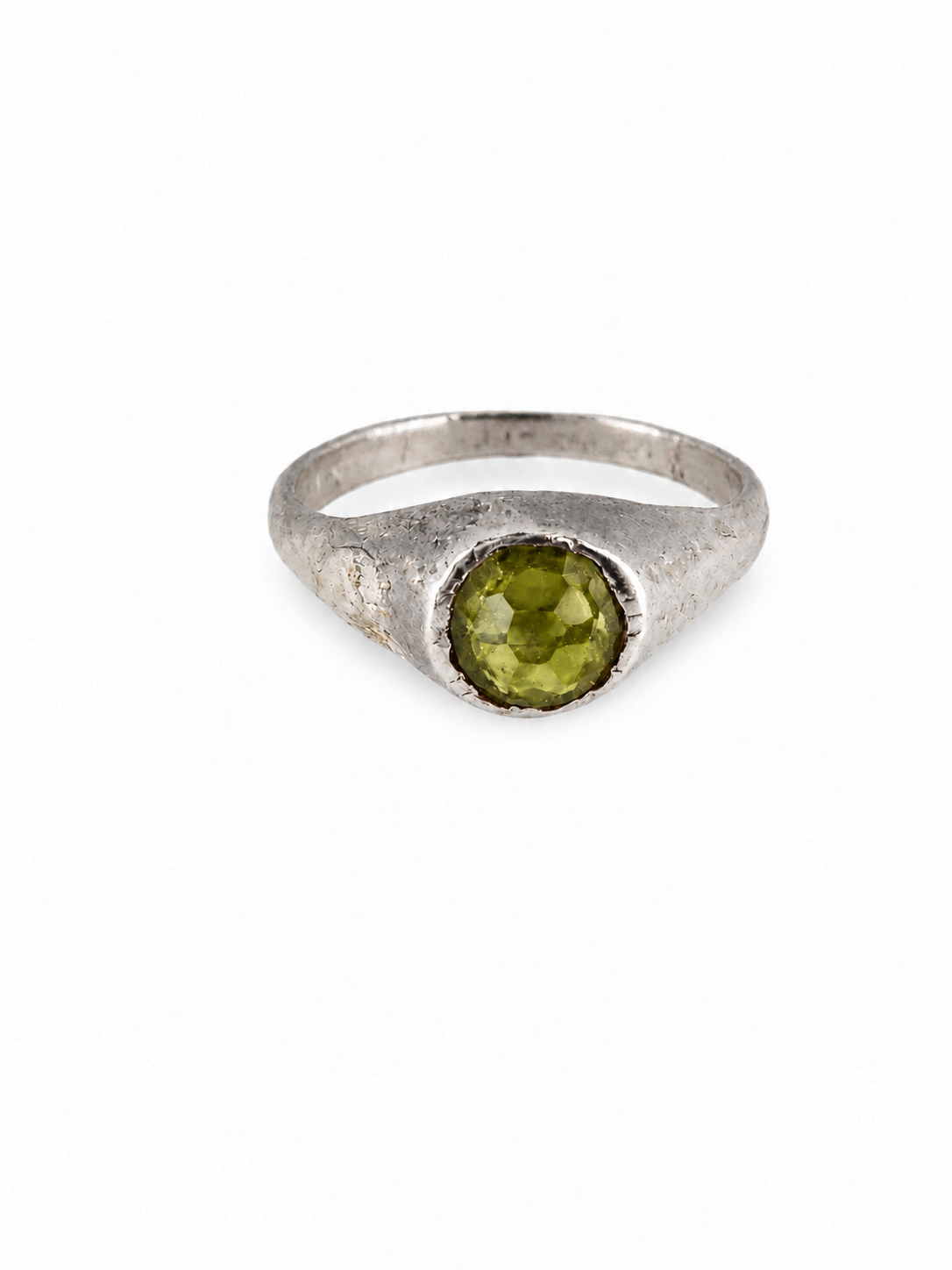
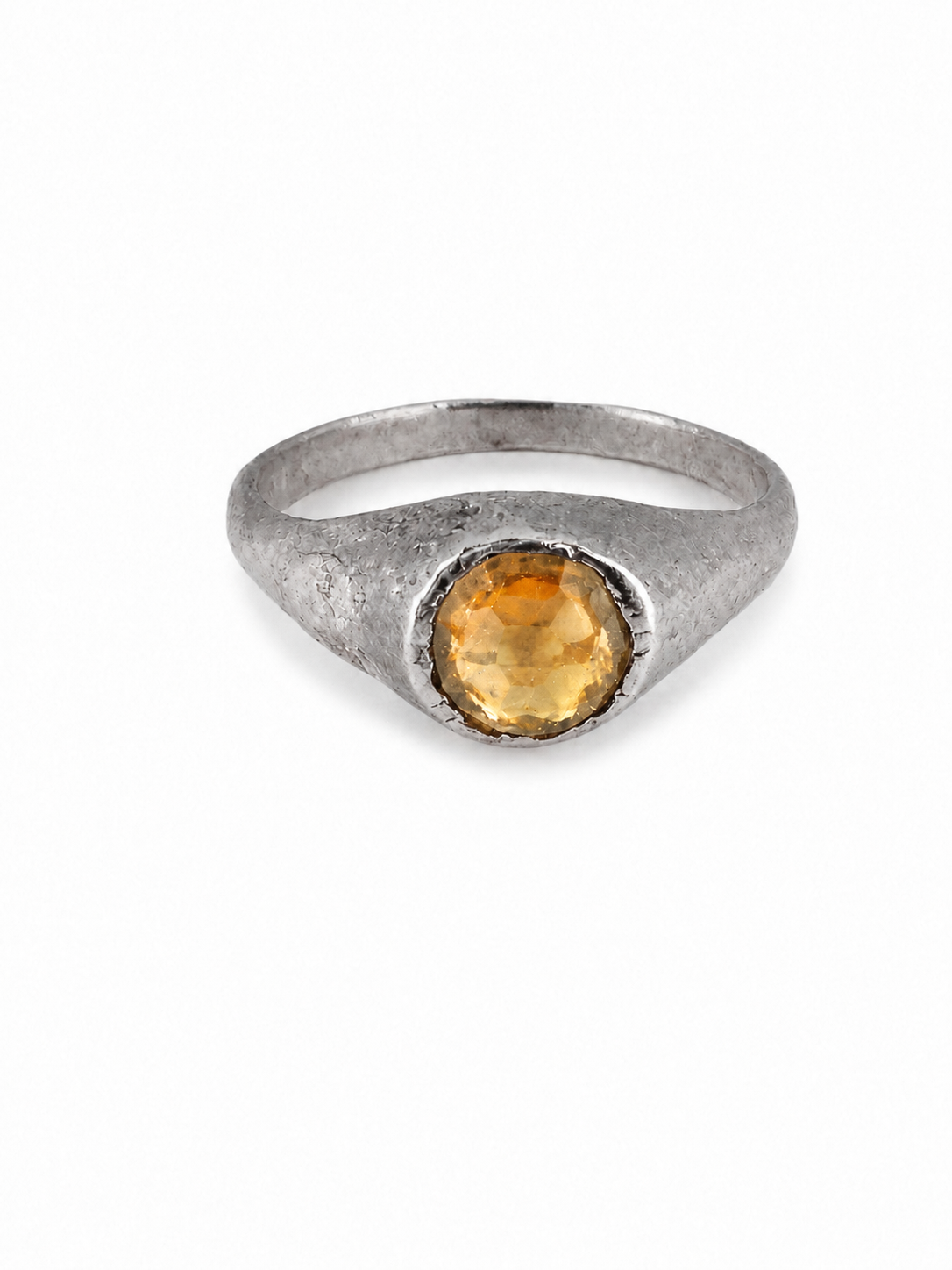
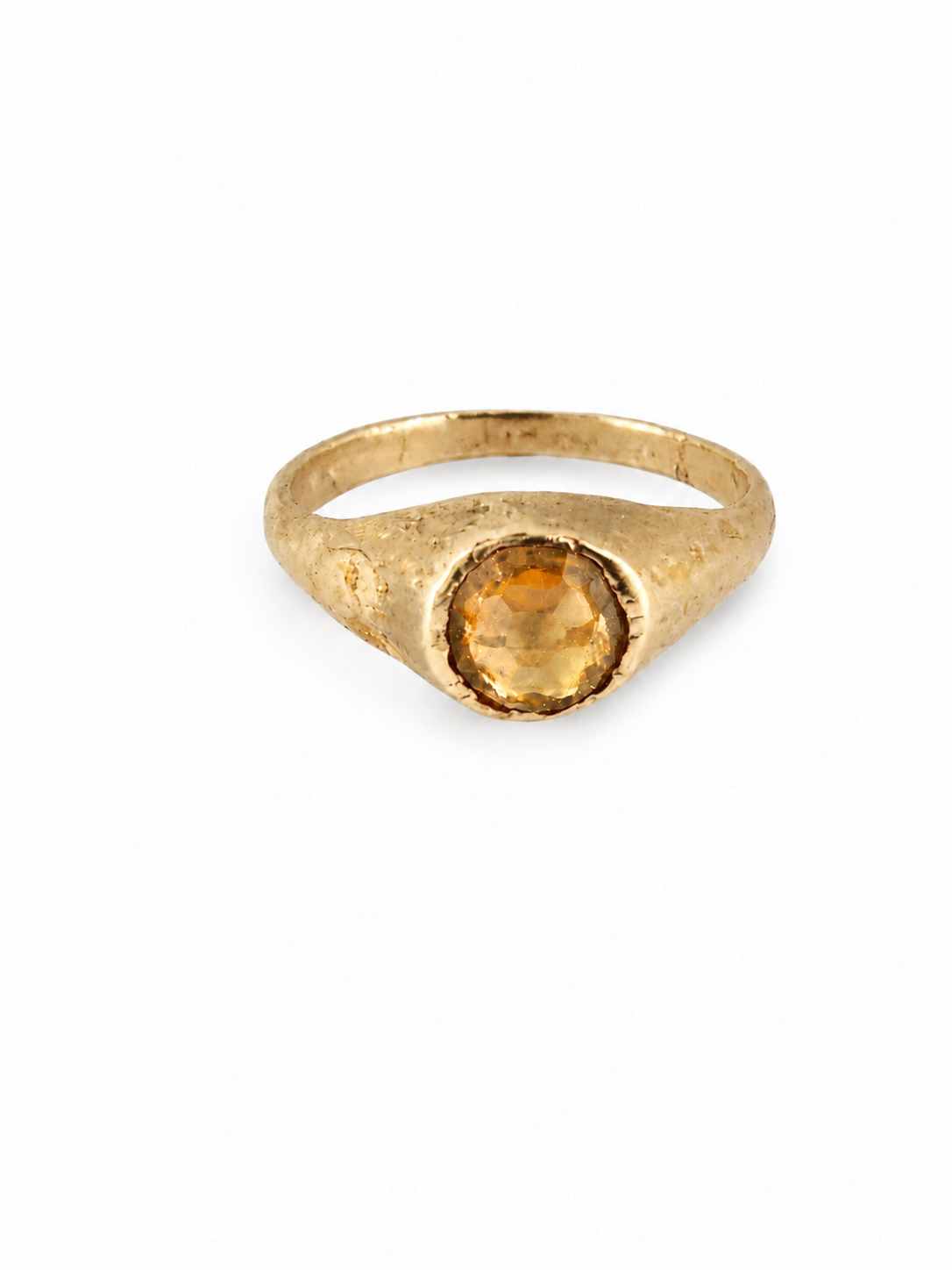
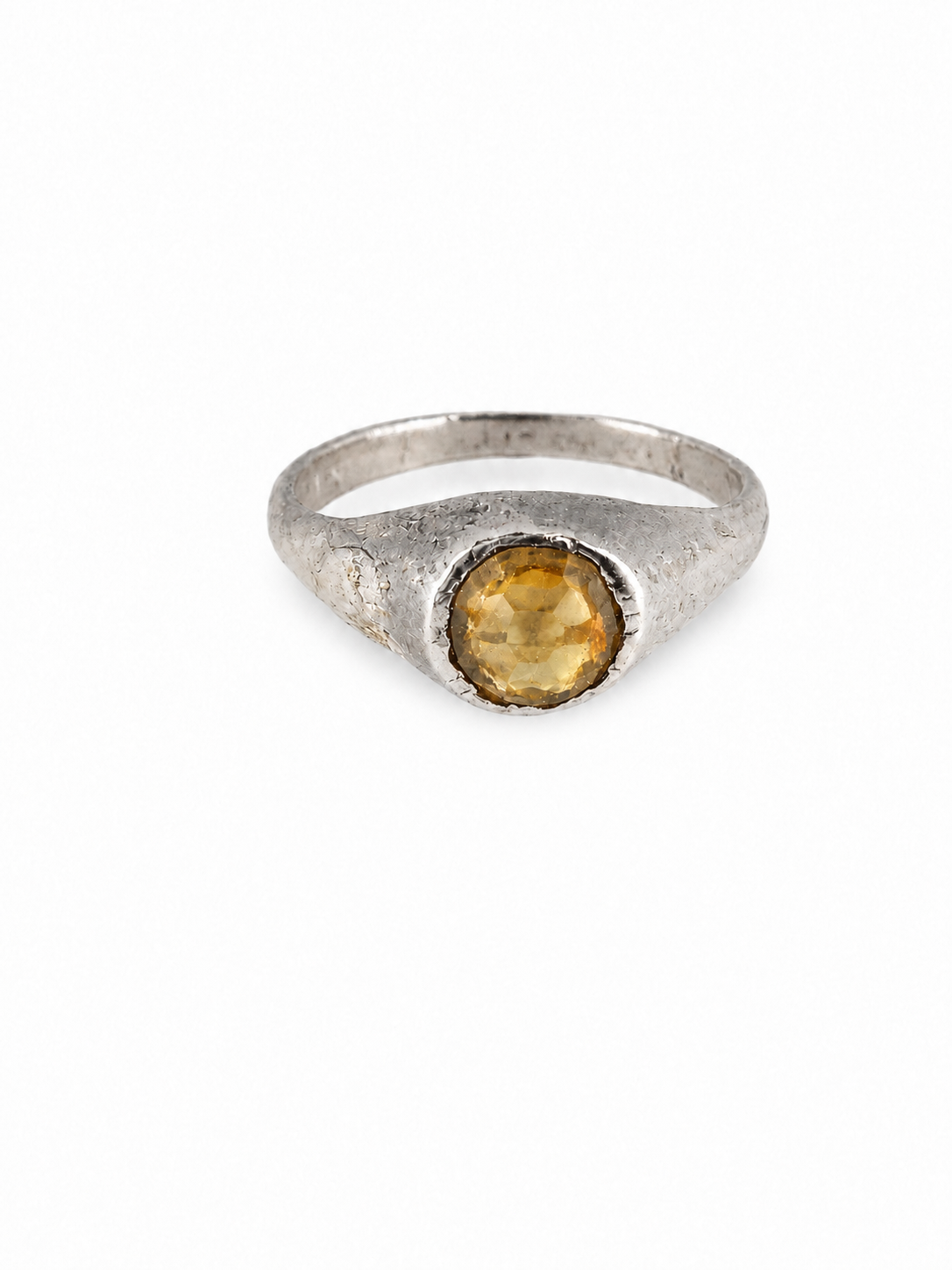
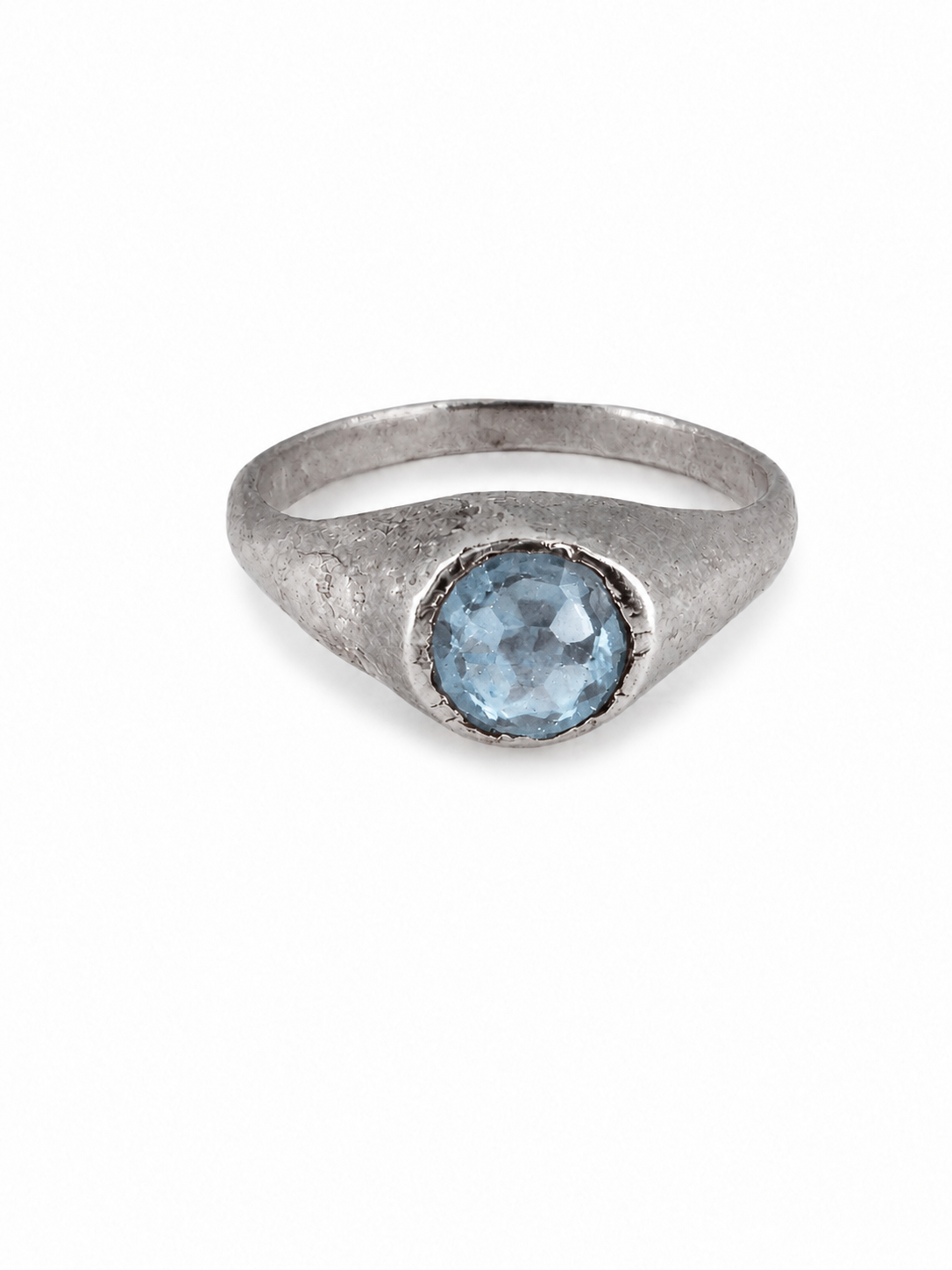
The raised stirrup setting makes the gemstone the centre of this East Yorkshire design. In medieval Europe, rich colour signalled status, and stones were valued for the protection people believed they offered. We cast the original ring’s form and set it with your choice of new gemstone: a historical design with a personal meaning today.
Period: Medieval
Find location: East Yorkshire, England
Hand-cast in England: A museum-quality reproduction. Each item is cast individually in our Leeds Corn Exchange workshop and finished by hand. Hallmarked by the London Assay Office in the selected precious metal.
Materials and Gemstones:
Available in Solid Sterling Silver, 9ct Gold, 18ct Gold and Platinum, with a choice of Sapphire, Emerald, Ruby, Amethyst, Garnet, Peridot, Citrine, pale blue Topaz, Natural Diamond or Lab-grown Diamond.
The sapphire, emerald and ruby are supplied as 6mm round medieval-style cabochons. Amethyst, garnet, peridot, citrine and pale blue topaz are 6mm round stones with a hand-cut finish. The two diamond choices are Natural Diamond and Lab-grown Diamond. Both are 6mm round rose-cut diamonds weighing approximately 0.60ct (60 points) each.
Gemstone photographs: The amethyst, garnet, peridot, citrine and topaz images are digital colour illustrations of the available options. Actual gemstone colour and natural markings vary.
Wearing with a wedding band: The raised setting can leave a gap beside a straight band. Ask our Leeds workshop for help comparing the profiles.
Original artefact — not for sale: Cast directly from the original artefact, which is not for sale.
Explore the design
Read about Medieval stirrup rings and gemstones and browse our alternative engagement and historical wedding rings. See how we cast the original designs.
Choose options