British Archaeological Jewellery Reproductions
A ring copied from an artefact found beneath British soil carries more than an attractive pattern. Its proportions, ornament and symbols were once held by someone living through a particular age of these islands. British archaeological jewellery reproductions make that connection wearable - not as costume, but as carefully made jewellery with a traceable historical source.
For collectors, history lovers and those marking a commitment, provenance changes the nature of a piece. A Viking knot, a Roman intaglio setting or an Anglo-Saxon motif becomes more meaningful when its origin is known: the period it belongs to, the original find that inspired it and the place in Britain where that object was recovered. This is jewellery made for the present, while remaining answerable to the past.
What British archaeological jewellery reproductions preserve
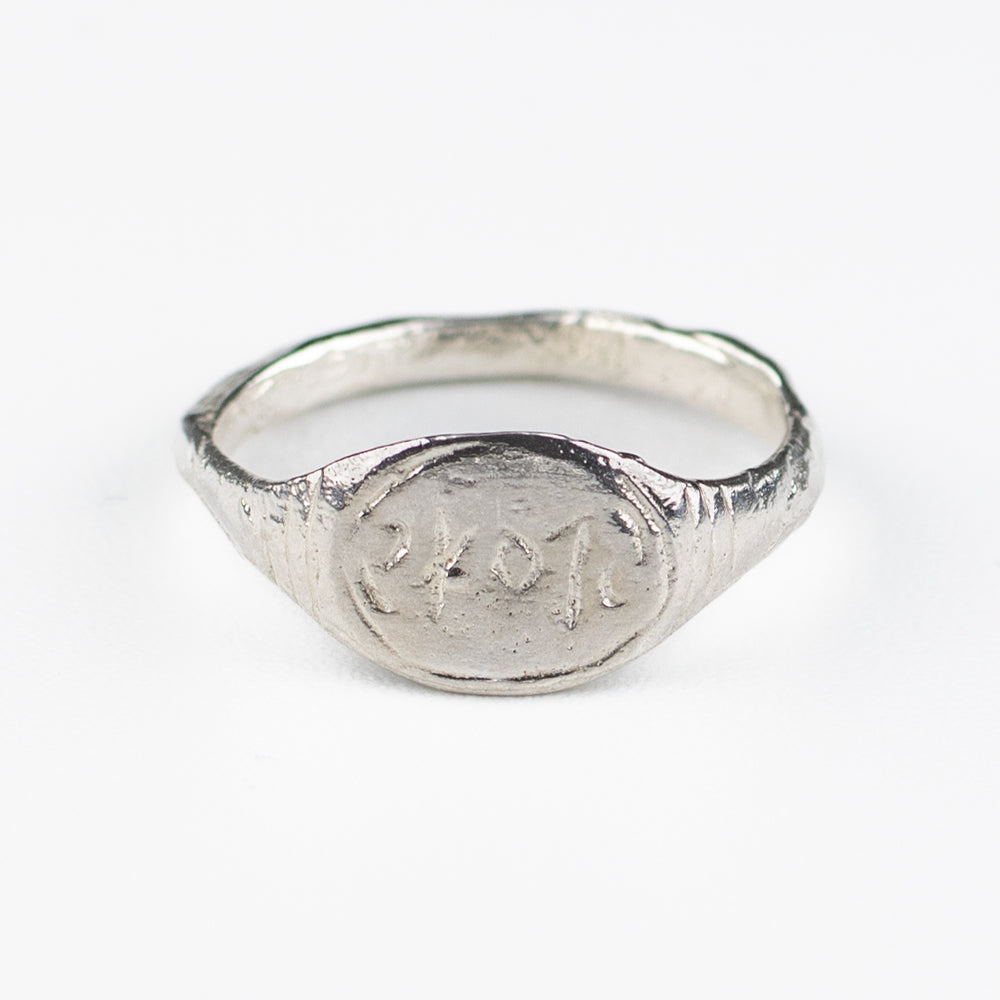
A faithful reproduction begins with respect for the original object. Rather than borrowing a broad idea of what Celtic or medieval jewellery might have looked like, the best examples are taken directly from recorded archaeological finds. Casting from an original preserves details that are easily lost in an illustrated interpretation: a worn line in the engraving, the distinctive rhythm of an interlace border, or the small irregularities that reveal the hand of the first maker.
That direct relationship matters. It gives a wearer something more substantial than historical styling. The design has a real material history, tied to an object made, used, lost and eventually recovered in Britain. A find location is not a decorative footnote. It places the design within a landscape of settlement, trade, faith and craft.
Reproduction does not mean pretending that a new piece is ancient. It means acknowledging the difference plainly. The original artefact belongs to its archaeological and museum context; the new jewel is made to be worn and enjoyed. Precious metal, careful construction and transparent provenance allow both objects to retain their proper value.
From original find to wearable piece
The journey from artefact to finished jewel requires judgement as well as technical skill. Historic jewellery was often made for a life very different from our own. A surviving fragment may need to be adapted into a secure pendant, a comfortable ring shank or earrings that sit well on the ear. The aim is not to flatten history into a modern accessory, but to make a responsible translation for regular wear.
Some designs suit near-exact reproduction. Others call for modest practical changes, particularly where a fine original was fragile, incomplete or too small to function as contemporary jewellery. A skilled workshop retains the defining character of the find while considering strength, balance and longevity. These decisions should be visible in the quality of the finished piece, rather than concealed behind an exaggerated story.
At British Historical Jewellery, pieces are cast from original finds and individually hand-finished in the Leeds workshop at the Victorian Corn Exchange. The work is then assessed for the demands of modern ownership: a clasp must be dependable, a stone securely set and a ring comfortable enough to become part of daily life.
The historical languages of British jewellery
Britain’s archaeological record is exceptionally varied. Each period offers its own visual language, shaped by the people, beliefs and materials of the time. Choosing between them is often a matter of personal affinity, but understanding a little of that language can make the choice more rewarding.
Celtic, Roman and Viking forms
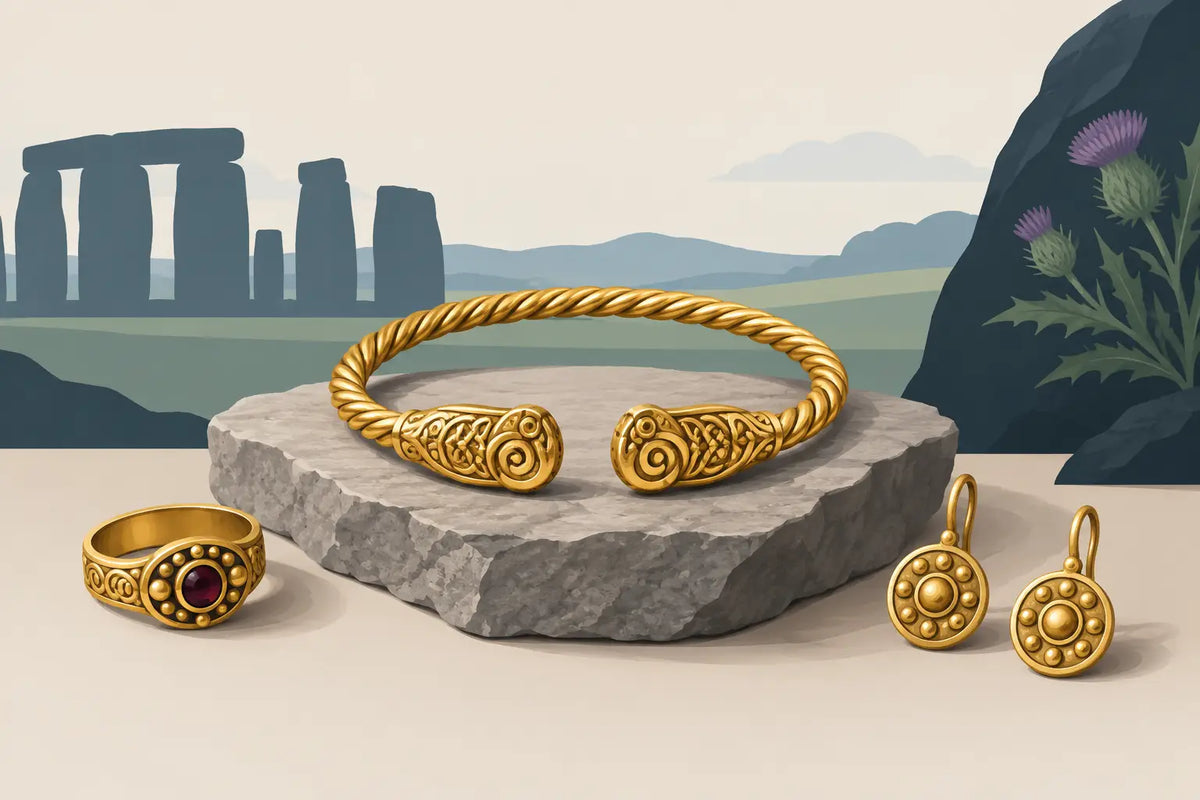
Celtic-inspired archaeological pieces are often recognised by flowing interlace, spirals and forms that appear to have no fixed beginning or end. They can feel intimate and contemplative, making them natural choices for pendants, wedding bands and gifts that represent continuity. Yet Celtic design is not one uniform style. A particular source object and its date give the motif a more precise place in history.
Roman jewellery brings a different quality: ordered geometry, engraved symbolism and the enduring appeal of classical proportion. Rings, brooches and intaglio-inspired forms speak of Roman Britain as a meeting point of local and continental cultures. A Roman-derived design can be quietly elegant rather than overtly historical, particularly in gold or platinum.
Viking jewellery is often bolder. Interlaced beasts, twisting bands and emphatic borders reflect a world of travel, allegiance and skilled metalwork. It suits those drawn to strong graphic detail, though the scale of the original pattern matters. Fine knotwork may be better appreciated on a pendant or larger signet-style ring than on a narrow band.
Anglo-Saxon, medieval and Tudor meaning
Anglo-Saxon jewellery can be richly symbolic, with patterns that combine Germanic animal forms, Christian imagery and a remarkable command of goldsmithing. It is especially compelling for buyers seeking an object from the centuries in which early English kingdoms, communities and religious traditions took shape.
Medieval and Tudor reproductions may appeal through their associations with devotion, ceremony and courtly life. Crosses, pilgrim-inspired forms and inscribed motifs carry a personal gravity, while decorative rings and pendants can be chosen simply for their period character. Christian heritage jewellery, in particular, offers a tangible way to wear a symbol whose form has been meaningful across generations.
It is worth resisting easy assumptions about symbolism. A motif may have several possible readings, and archaeological evidence is sometimes incomplete. Good provenance-led jewellery allows the historical context to enrich a piece without making claims the evidence cannot support.
Materials that honour the design
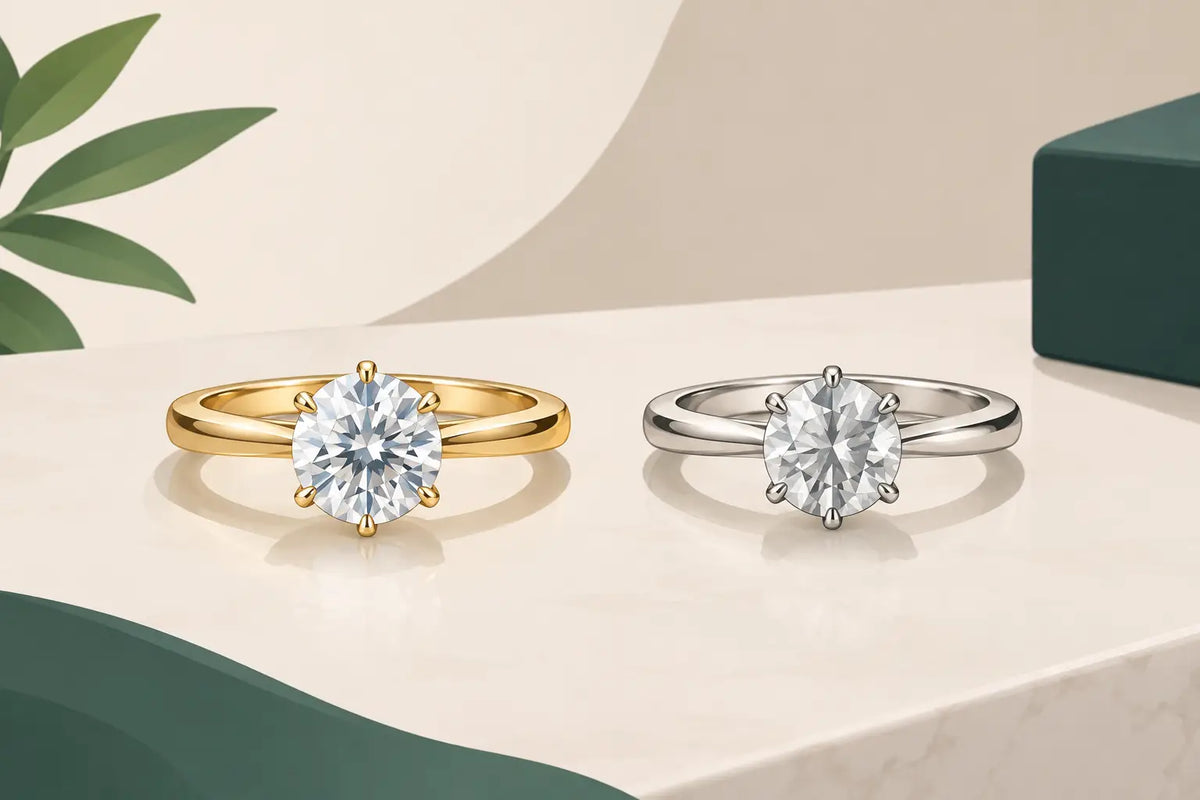
The original artefact may have been made in bronze, silver or gold, but a reproduction offers a considered choice of precious metal for a new owner. Sterling silver brings brightness and clarity to engraved details, and remains a fitting option for everyday pendants, earrings and rings. Gold offers warmth and permanence, particularly for engagement and wedding jewellery. Platinum has a restrained, pale finish and exceptional durability for pieces intended to be worn every day.
Gemstones introduce another layer of character. Carnelian has a long association with Roman jewellery and can give a design an immediate sense of period richness. Ruby, emerald and sapphire each bring their own colour and presence, but should complement the source design rather than overwhelm it. A stone-set version may be the right choice for a milestone gift, while an unadorned casting can preserve the graphic power of the original pattern.
Formal hallmarking is equally significant. A hallmark is an independent assurance of precious-metal quality, not a decorative mark. London Assay Office approval gives purchasers confidence that a silver, gold or platinum piece has been assessed to the appropriate standard. For jewellery intended as an heirloom, that assurance is part of its future history.
Choosing a piece with a lasting connection
The most satisfying choice begins with how the jewellery will be worn. A substantial pendant can carry complex archaeological detail and is a strong option for someone who wants the provenance to be visible. Earrings offer a subtle daily connection to a favourite period. Rings are deeply personal, but require more consideration of width, profile, sizing and the wearer’s routine.
For an engagement ring or wedding band, the historical source should support the life the piece will lead. A finely patterned band in platinum may suit constant wear, while a raised gemstone design may ask for greater care. A design with visible surface texture is beautiful, but it may show everyday marks differently from a polished plain ring. Neither is inherently better. The right decision depends on whether the wearer values crisp finish, patina, dramatic detail or low-maintenance practicality.
Gifting is another reason provenance matters. A piece connected to a Roman find from Britain, an Anglo-Saxon devotional form or a Viking-age pattern can reflect a recipient’s interests with unusual precision. Including the era and original find location turns the gift into a conversation between giver, wearer and history.
Wear history, care for craft
Archaeological reproduction jewellery is made to be used, but it deserves sensible care. Remove rings for heavy manual work, gardening, gym sessions and contact with household chemicals. Store pieces separately where possible, especially if they include gemstones or raised detail. Sterling silver will naturally develop a gentle patina; some wearers welcome that change, while others prefer occasional professional cleaning to restore brightness.
Most of all, choose a piece whose history you genuinely want to carry. A direct cast from an excavated find offers a rare kind of continuity: not ownership of the past, but a respectful place within its afterlife. Worn often and cared for well, it can become part of your own story too.